West Clacton Recreation Ground
A central open space that helps us orientate when working on the West Clacton Estate. Streets around it are mostly residential with on-street parking, so we plan our van position before arrival.
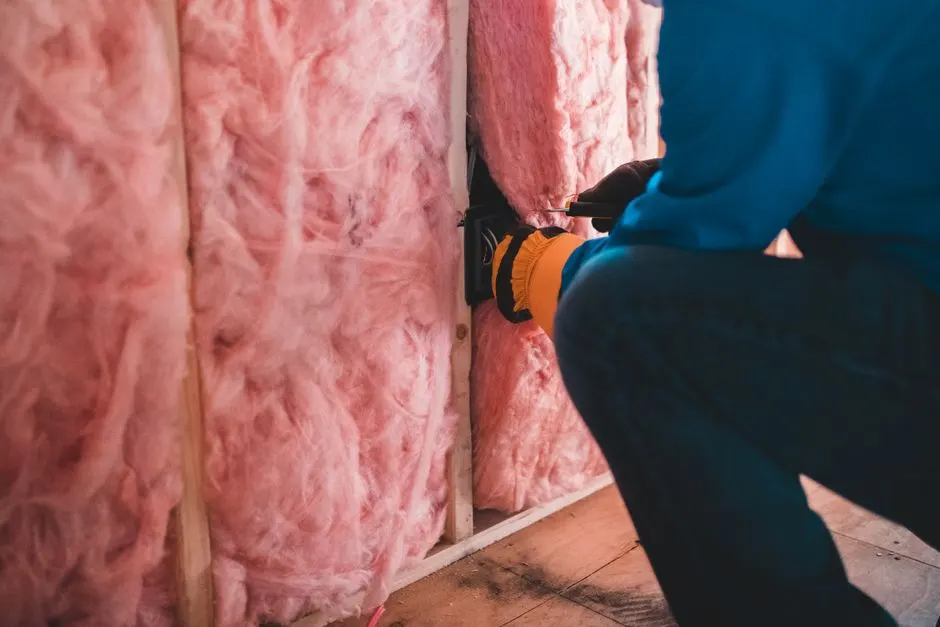
Spray foam removal in West Clacton is a specialist job, and we have been doing it here since 2022. West Clacton is a suburban residential area with a lot of post-war housing, and much of that stock has loft and cavity wall insulation that was installed decades ago. When spray foam was pumped in behind it, the two do not mix well. Foam traps moisture against timbers, bridges cavity walls, and blocks the ventilation your roof needs. We work across the West Clacton Estate, Oxford Road, Coppins Road and Jaywick Lane, and we know how these houses are built. Our team uses dry ice blasting machines, oscillating multi-tools and industrial vacuum extractors to take foam out without wrecking rafters or plasterboard. We are TrustMark registered, CHAS accredited and fully insured. If a surveyor has flagged spray foam insulation removal West Clacton, we can get it sorted.
Every property is different, so we match the method to the job. Some West Clacton lofts need dry ice blasting to lift foam off rafters without damage. Others need cavity wall extraction or a full insulation removal service. If you have searched for spray foam removal in West Clacton near me and want a straight answer, call us and we will tell you what your roof actually needs.

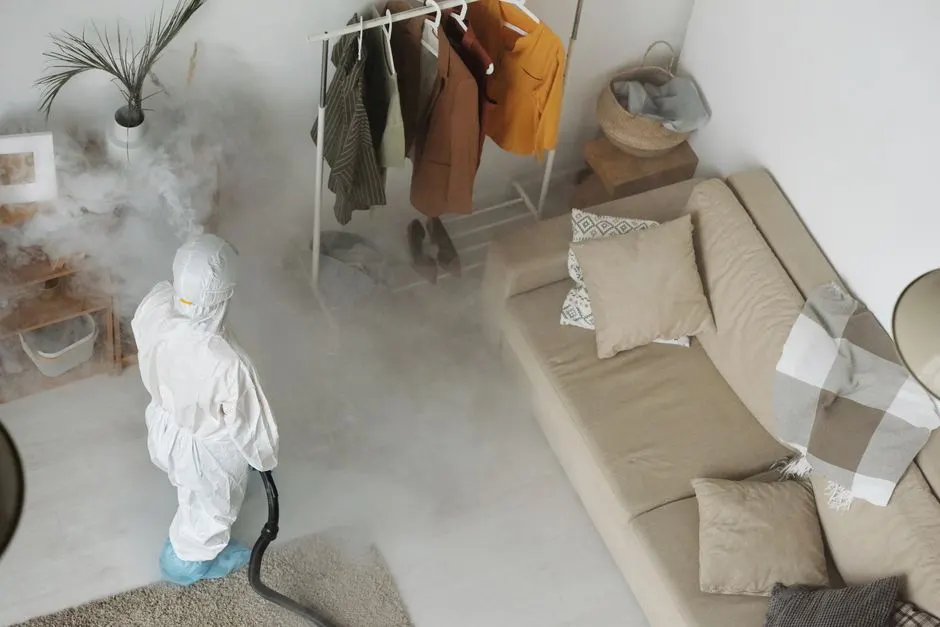




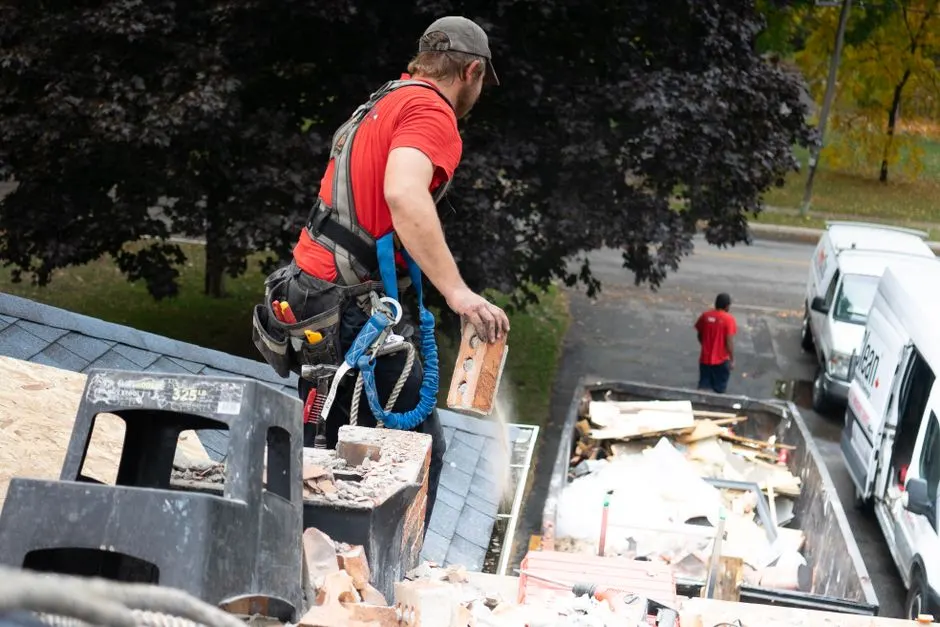
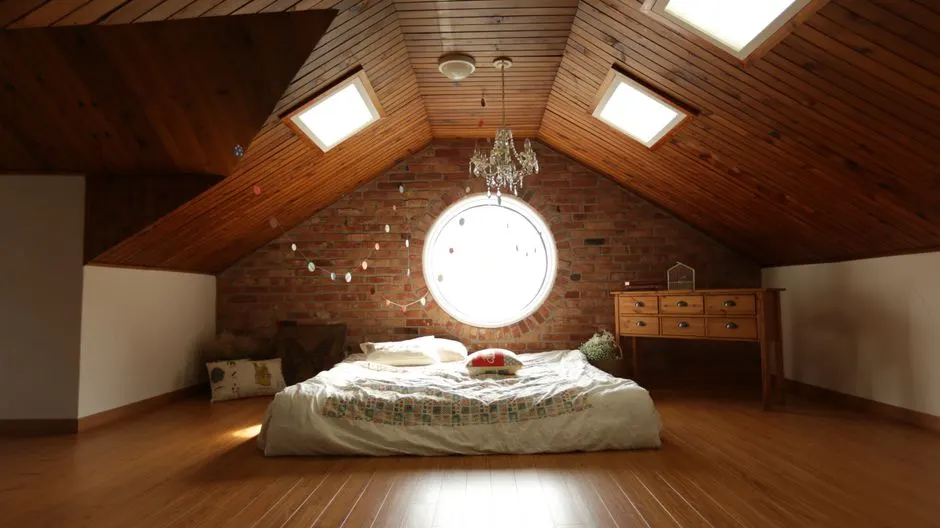






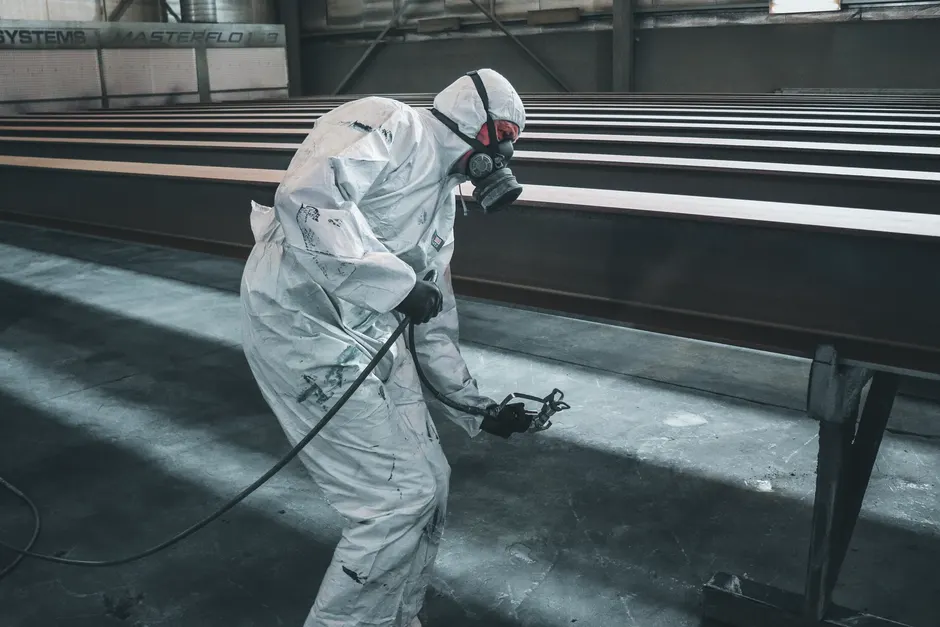
West Clacton has a specific set of conditions that make spray foam problems worse. The housing stock is mostly post-war, with shallow roofs and limited ventilation. The coastal climate adds humidity, and many lofts have foam that was installed years ago without proper checks. These are the problems we see most often.
Lenders class spray foam as a high-risk material because it can trap moisture and hide structural issues. In West Clacton, many family homes come up for sale with foam that was installed years ago, and surveyors flag it immediately. The buyer cannot proceed until it is removed.
Foam blocks the airflow that roof spaces need to stay dry. In West Clacton's shallow roofs, there is little natural ventilation to begin with. Moisture from the house rises into the loft, hits the foam, and condenses on the timbers. Over time, this causes rot.
When foam is pumped into a cavity, it can bridge the gap between the outer and inner walls. This lets damp transfer into the home and can corrode wall ties. It is common in older properties around Oxford Road and Coppins Road where cavity insulation was topped up with foam.
A survey that flags spray foam can knock thousands off a property's value or stall a sale completely. In West Clacton, where many homes are family-sized and in demand, this is a common problem. Buyers walk away because they do not know how much removal will cost.
Foam does not always announce itself. Sometimes you only find out when a surveyor flags it or when damp appears on a ceiling. If you have noticed any of the signs below, it is worth getting an assessment. The sooner foam is removed, the less chance there is of lasting damage to your roof timbers.
Damp patches on ceilings below the loft
Foam traps condensation that would normally escape through vents. The moisture builds up and soaks into the ceiling below. If you see brown patches or peeling paint, the foam is likely the cause. It will get worse until the foam is removed and ventilation restored.
A mortgage surveyor has flagged spray foam
Lenders treat spray foam as a risk because it can hide structural problems and trap moisture. A surveyor's report will usually recommend removal before a mortgage is approved. We provide the removal report and photos that lenders need to move forward.
Musty smell in the loft or upstairs rooms
A damp, earthy smell usually means mould is growing on timbers or insulation. Foam stops the roof space from breathing, so moisture has nowhere to go. If you notice the smell, get it checked before the timber starts to rot.
Visible mould or black spots on rafters
Mould on rafters is a clear sign of trapped moisture. It can spread quickly and weaken the timber over time. We treat affected timbers after removing the foam and check moisture levels to confirm the roof is drying out properly.
Condensation on windows or cold spots upstairs
Foam can block ventilation and make the whole house feel damp and cold. If your windows stream with condensation in winter and upstairs rooms feel chilly, the roof space may not be breathing. An assessment will confirm whether foam is the problem.
West Clacton is compact, but knowing the landmarks helps us plan routes and find addresses fast. We use West Clacton Recreation Ground as a central reference point for the estate, and Clacton Fire Station as a marker for the northern streets. Tendring Technology College helps us locate the roads around Bocking's Elm Park, and Clacton Factory Shopping Village is a useful pin for the commercial side of town. If you are giving directions, mention the nearest landmark and we will find you.
A central open space that helps us orientate when working on the West Clacton Estate. Streets around it are mostly residential with on-street parking, so we plan our van position before arrival.
A useful marker for the northern edge of West Clacton. We use it to route to properties off St Osyth Road and the surrounding streets, especially when traffic is heavy on the main roads.
A well-known local school that helps us locate the residential roads around Bocking's Elm Park. Drop-off times can be busy, so we schedule arrivals outside peak hours where possible.
A local park that serves as a reference point for the surrounding family housing. We use it to navigate to nearby streets and to plan parking when working on multiple jobs in the area.
ZIP coverage on request — call to confirm.
West Clacton's coastal climate means humidity all year round, but the seasons change how foam problems show up. Autumn and winter are when damp and condensation become obvious. Spring and summer are when surveys and house sales pick up. Whatever the season, we can schedule an assessment and get the foam out.
Spring is when house sales pick up and surveyors start flagging foam again. Damp patches from winter may still be visible on ceilings. It is a good time to get an assessment before the property goes on the market.
Tip: If you are planning to sell, book an insulation assessment early. Removing foam before a survey avoids delays and gives you the report ready for buyers.
Warm weather dries out roof spaces, but the damage from winter moisture may already be done. Summer is ideal for removal work because lofts are easier to access and timbers dry faster after treatment.
Tip: Book removal in summer if you can. The loft is more comfortable to work in, and any timber treatment has time to dry before autumn rains arrive.
Autumn brings rain and cooler temperatures. Condensation starts to build again in foam-blocked lofts. This is when we get the most calls about damp patches and musty smells in West Clacton homes.
Tip: Check your loft for damp or mould before winter sets in. If you see signs, get the foam removed now rather than waiting for the problem to get worse.
Winter is the worst time for foam-related damp. Cold outside air meets warm, moist air in the loft and condenses on the foam and timbers. Storm damage can also crack foam and expose the roof to water ingress.
Tip: If you have an emergency like water coming through the roof, call our 24/7 line. We can make the roof safe and remove the damaged foam quickly.
West Clacton sits within a compact service area. We cover the surrounding towns and villages across the Tendring district, so if you are just outside West Clacton, we can still help. The same team, the same equipment, the same process.
(City)
About 5 minutes from West Clacton. Many of our commercial and residential jobs start here, and customers often move between the two areas.
View Clacton Town Centre(City)
A short drive north of West Clacton. We cover Great Clacton for loft and cavity foam removal, often for the same post-war housing stock.
View Great Clacton(City)
About 10 minutes east. Coastal properties here face similar condensation issues, and we regularly remove foam from bungalow lofts.
View Holland-on-Sea(City)
Close to West Clacton, around 10 minutes. We handle foam removal in Jaywick for homeowners and landlords dealing with survey issues.
View Jaywick(City)
A village to the west, about 15 minutes away. Older properties here often have cavity wall foam as well as loft foam.
View St Osyth(City)
Around 15 minutes south. Coastal homes with exposed roofs benefit from our dry ice blasting method when foam has bonded to timbers.
View Point ClearReal answers from our team for the questions we hear most often before a job starts.
If foam is blocking your mortgage, causing damp, or failing a survey, we can help. We have been removing spray foam in West Clacton since 2022 and we know these roofs inside out. Call us on 0333 567 2543 for a free assessment. We will tell you what needs doing, how long it will take, and what it will cost. No pressure, no jargon.
Call us on 0333 567 2543 between 08:00 and 18:00, Monday to Friday, and you will speak to someone who has actually been up a Clacton loft this month. Out of hours, leave a message and we will call you back first thing. For surveys, quotes and documentation requests, email [email protected] and we will reply the same working day.
Phone
03335672543Address
72-78 Rosemary Rd, Clacton on Sea CO15 1TZ, UK, Clacton on Sea, Essex
Hours
Mon–Fri: 7AM – 7PM
Sat: 8AM – 4PM
Sun: Emergency Only
24/7 Emergency Available