Holland-on-Sea Beach
The main seafront reference point. Properties on the sea side of the village are easiest to locate by their distance from the beach and the promenade, and it helps us plan parking where frontages are tight.
Spray foam removal in Holland-on-Sea is a specialist job, and it is not the same as pulling out old mineral wool. The foam sprayed into lofts across this village in the 2000s and 2010s has now had a decade or more to trap moisture against rafters, and coastal air off Holland-on-Sea Beach does not help. We have worked the CO15 5 and CO15 6 postcodes since 2022, and we know which streets have the bungalows with shallow lofts and which have the taller detached roofs where access is tight. Our technicians use a boroscope inspection camera to check rafter condition before anyone swings a tool, because cutting foam off a rotten rafter just hides the problem. If you have been searching for spray foam removal near Holland-on-Sea and getting vague answers, we give you a straight one: what is in your loft, what it will take to get it out, and what it costs. We cover Holland-on-Sea Village, Frinton Road, Holland Road and the Kings Parade area as standard, and we are on the road to Clacton Town Centre and Great Clacton the same day.
Demand in Holland-on-Sea splits roughly three ways: loft spray foam removal in the bungalows, cavity wall spray foam removal in the post-war semis, and mortgage-driven extractions where a lender will not proceed until the foam is gone. If you have been typing spray foam removal in Holland-on-Sea near me into your phone, you are in the right place. We run all of it from one van fleet based minutes away.








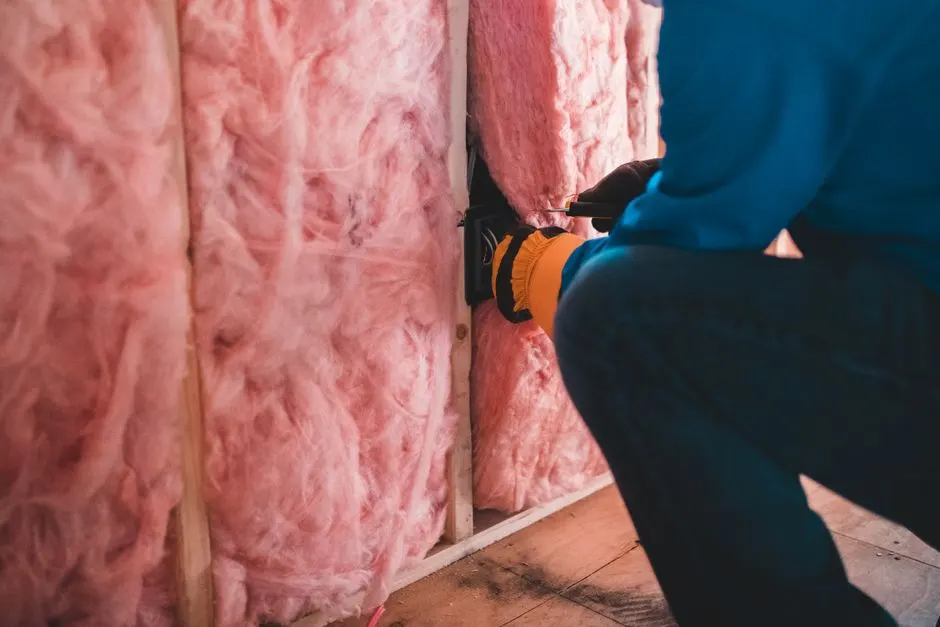






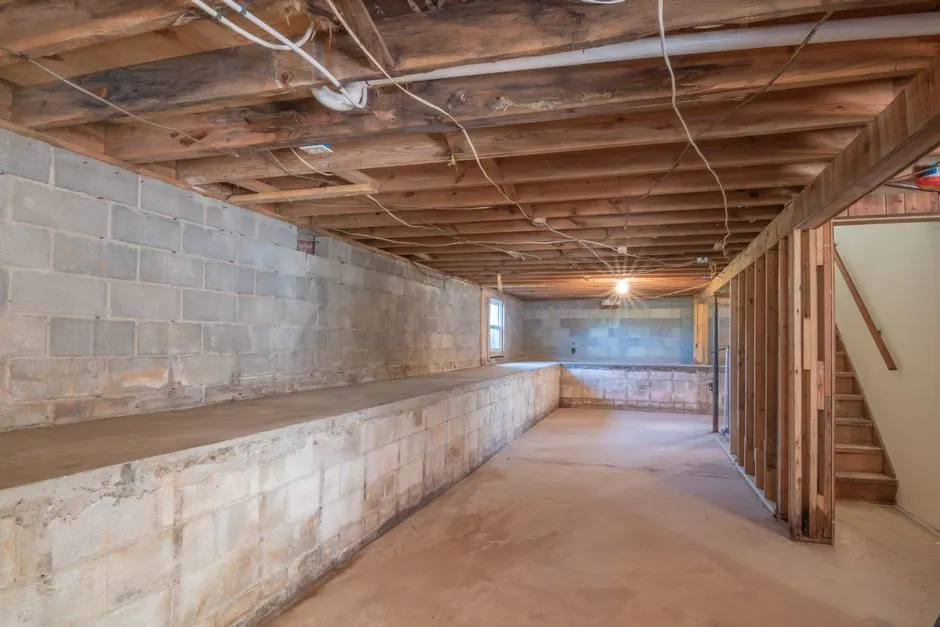




Holland-on-Sea has a particular set of conditions that make spray foam misbehave: coastal air, an ageing housing stock and a lot of properties that were retrofitted during the foam boom. Add in the fact that this is a popular retirement area where homes change hands regularly, and you get a steady stream of survey-driven removal work.
Lenders and their surveyors treat spray foam as a hidden-defect risk, especially closed cell foam bonded to roof timbers. In Holland-on-Sea, where many properties are sold as part of retirement downsizing, this objection regularly stalls sales at the last minute.
Spray foam seals a roof space far more tightly than the original design allowed for. In a coastal village like Holland-on-Sea, moisture-laden air cannot escape, condenses on the cold side of the foam and soaks into the rafters behind it.
Once rafters stay wet for long enough, rot sets in. It is more common in the older bungalows around Holland-on-Sea Village because the timbers are original and have less tolerance for prolonged damp than modern treated timber.
Foam injected into a cavity can bridge the gap between the outer and inner leaf, giving moisture a path straight through the wall. It shows up as damp patches on internal walls, often after a wet winter, and is a common finding in Holland-on-Sea's post-war semis.
Most people in Holland-on-Sea do not call us because they want the foam gone. They call because something else has happened: a survey has come back with an objection, a damp patch has appeared, or a loft has started to smell. If you are searching for spray foam removal in Holland-on-Sea near me and any of the following sounds familiar, it is worth getting an assessment before the problem spreads.
Mortgage lender or surveyor has objected to the foam
This is the most common trigger in Holland-on-Sea. Lenders treat spray foam as a risk because it can hide timber defects and trap moisture. Once it is flagged, the sale usually cannot proceed until the foam is removed and the timbers are inspected and documented.
Damp or musty smell in an upstairs room
Foam that has trapped moisture against rafters will eventually show up as a smell inside the house, often in a back bedroom or landing. By the time you can smell it, the timber behind the foam is usually damp and needs checking before it rots.
Staining or bubbling on an upstairs ceiling
Brown staining or paint bubbling on a ceiling below a foamed roof slope points to moisture sitting where it should not be. It can also mean the foam has blocked ventilation that the roof relied on. Either way, it needs investigating before the plaster fails.
Condensation forming on roof timbers or felt
If you go into the loft and see beads of water on the rafters or the underside of the felt, the foam has almost certainly sealed the roof too tightly. Coastal air in Holland-on-Sea makes this worse. Left alone, wet timbers rot and the roof structure suffers.
Foam visibly shrinking, cracking or pulling away
Older foam that has started to shrink and crack is no longer doing its job and is letting air and moisture past it. Cracked foam is also harder to remove cleanly because it breaks into fragments. A survey now is cheaper than dealing with the fallout later.
Holland-on-Sea is a compact village and we know it street by street, but landmarks still do the work when we are routing vans or explaining where we will park. Holland-on-Sea Beach and the seafront gardens are the main orientation points for anything on the sea side of the village, while Holland Haven Country Park marks the northern edge where the roads get narrower and the properties more spread out. If you are giving us directions, the easiest thing is to name the nearest landmark and we will find you.
The main seafront reference point. Properties on the sea side of the village are easiest to locate by their distance from the beach and the promenade, and it helps us plan parking where frontages are tight.
Marks the northern edge of the village where roads narrow and properties are more spread out. Useful for routing to addresses on the edge of CO15 5 where satnav often overshoots.
A central orientation point on the commercial strip. Jobs around Kings Parade are usually scheduled with this as the meeting point because parking directly on the frontage is restricted.
A handy reference for the village centre streets. If you are directing us to a property nearby, naming the library puts us within a couple of minutes of most central addresses.
ZIP coverage on request — call to confirm.
Coastal Holland-on-Sea has a milder but wetter climate than inland Essex, and that shapes when foam problems surface and when we can work. Autumn and winter are when damp complaints peak, spring is when survey-driven jobs pick up, and summer is the best window for larger roof and commercial work.
Spring is when the housing market wakes up and survey-driven foam objections start landing on our desk. Damp patches that appeared over winter are still visible, and buyers are often pushing for a quick turnaround before a mortgage offer expires.
Tip: If you are selling, get the loft assessed before your buyer's surveyor does. Removing foam early takes the objection off the table and keeps the chain moving.
Summer gives the driest roof voids and the longest working days, which makes it the best time for larger jobs like full roof slope extraction and warehouse foam removal. Foam is also at its most brittle in warm weather, which helps with dry ice blasting.
Tip: Book larger removals between June and August if you can. Access is easier, drying times are shorter and you are not competing with emergency winter call-outs for diary space.
As the weather turns, moisture levels in roof voids climb and any foam that has been trapping damp starts to show. This is when we get the first musty-smell calls of the year, and when condensation on timbers becomes visible.
Tip: Check your loft before the worst of the weather arrives. If you can see condensation on the felt or the rafters, get an assessment booked rather than waiting for staining to appear on the ceiling.
Winter is peak season for damp-related foam problems in Holland-on-Sea. Driving rain off the sea, combined with foam that has sealed the roof, leaves timbers wet for weeks. Storm damage can also let water in through failed flashing, which the foam then holds against the rafters.
Tip: If a storm has driven water into your loft, call us before the foam soaks it up. The sooner the void is dried and the foam removed, the less chance there is of rot setting in.
Holland-on-Sea sits in the middle of a cluster of Tendring communities we serve on the same rounds. If you are just outside the village, we almost certainly cover you, and the travel time from our base is short enough that we can treat these as local jobs rather than distant ones.
(City)
A few minutes inland from Holland-on-Sea and part of the same built-up area. We run regular jobs between the two, and customers often move house between them.
View Clacton Town Centre(City)
Just north of the village, sharing the same postcode district. Foam removal demand here mirrors Holland-on-Sea, with similar bungalow and semi-detached stock.
View Great Clacton(City)
A short drive west along the coast. Older building stock and exposed coastal conditions mean similar moisture-related foam problems to those we see in Holland-on-Sea.
View Jaywick(City)
West of Clacton and within easy reach. A mix of village and coastal properties, with the same pattern of retrofit foam now causing survey problems.
View St Osyth(City)
On the coast south-west of Holland-on-Sea. Exposed seafront properties here face the same sea-air moisture issues that drive our foam removal work in the village.
View Point Clear(City)
A residential area on the edge of Clacton, a short run from Holland-on-Sea. Mostly family housing where loft and cavity foam removal is the common request.
View Bocking's ElmReal answers from our team for the questions we hear most often before a job starts.
If a surveyor has flagged your loft, or you have spotted damp on a rafter, do not wait for it to get worse. We cover every street in Holland-on-Sea, from the bungalows off Kings Parade to the seafront homes on Marine Parade, and we can usually survey within 48 hours. You get a fixed price after the survey, a documented removal that satisfies lenders, and a loft left clean and dry. Call us and we will tell you straight what needs doing.
Call us on 0333 567 2543 between 08:00 and 18:00, Monday to Friday, and you will speak to someone who has actually been up a Clacton loft this month. Out of hours, leave a message and we will call you back first thing. For surveys, quotes and documentation requests, email [email protected] and we will reply the same working day.
Phone
03335672543Address
72-78 Rosemary Rd, Clacton on Sea CO15 1TZ, UK, Clacton on Sea, Essex
Hours
Mon–Fri: 7AM – 7PM
Sat: 8AM – 4PM
Sun: Emergency Only
24/7 Emergency Available