St John the Baptist Church
A central orientation point in Great Clacton Village. We use it to route towards the older streets and terraces that surround it, where loft access is often tight.
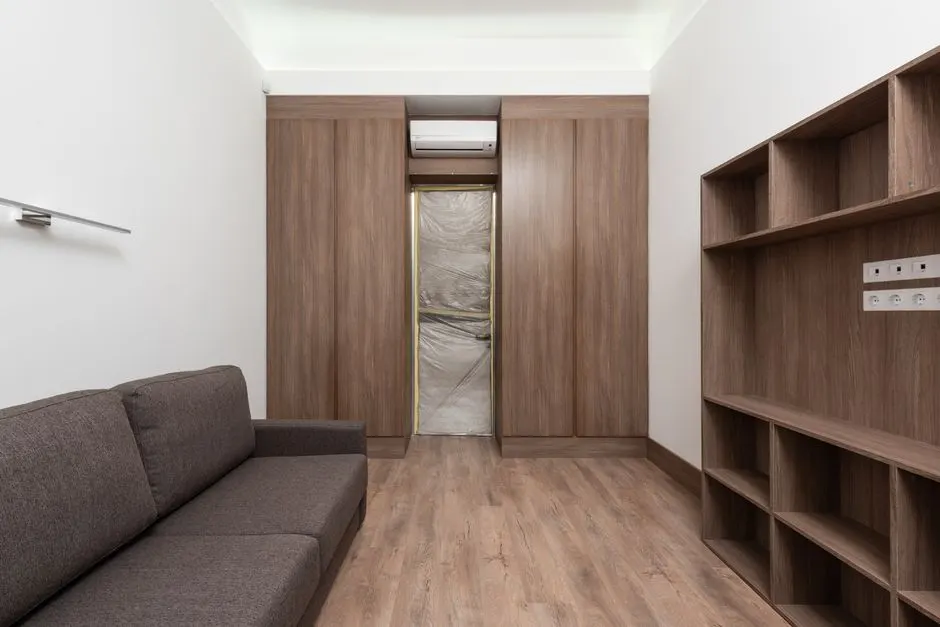
Spray foam removal in Great Clacton is the controlled extraction of open cell spray foam, closed cell spray foam and older polyurethane foam from lofts, roof voids and cavity walls, carried out when the insulation is trapping moisture, blocking a mortgage valuation or failing a building survey. We have worked Great Clacton since 2022, and most of our jobs sit within a mile of St John the Baptist Church or the Frinton Road shops. The housing stock here tells you why. Great Clacton is a suburban residential area built largely around 1930s semi-detached housing, and a lot of those homes had loft insulation or cavity wall insulation installed during the grant schemes of the 2000s and 2010s. Foam went in fast, ventilation was rarely improved, and fifteen years later we are pulling it back out. As a Great Clacton spray foam removal specialist, we handle everything from a single loft to a full terrace of cavity wall spray foam removal, and we work directly with mortgage lenders and RICS surveyors so the paperwork stands up when it matters.
Every service below is delivered across Great Clacton, from the CO15 4 postcodes near Great Clacton Library through to the CO15 6 streets off Frinton Road. If you have been searching for spray foam removal in Great Clacton near me and want someone who already knows the housing stock, you are in the right place. We quote from photos, arrive with the right kit and clear up properly.

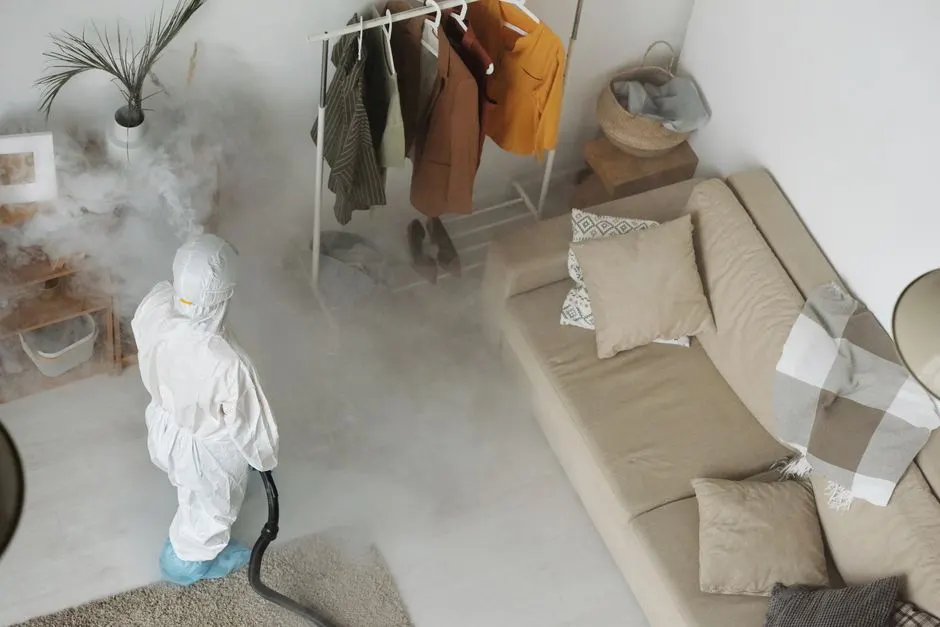






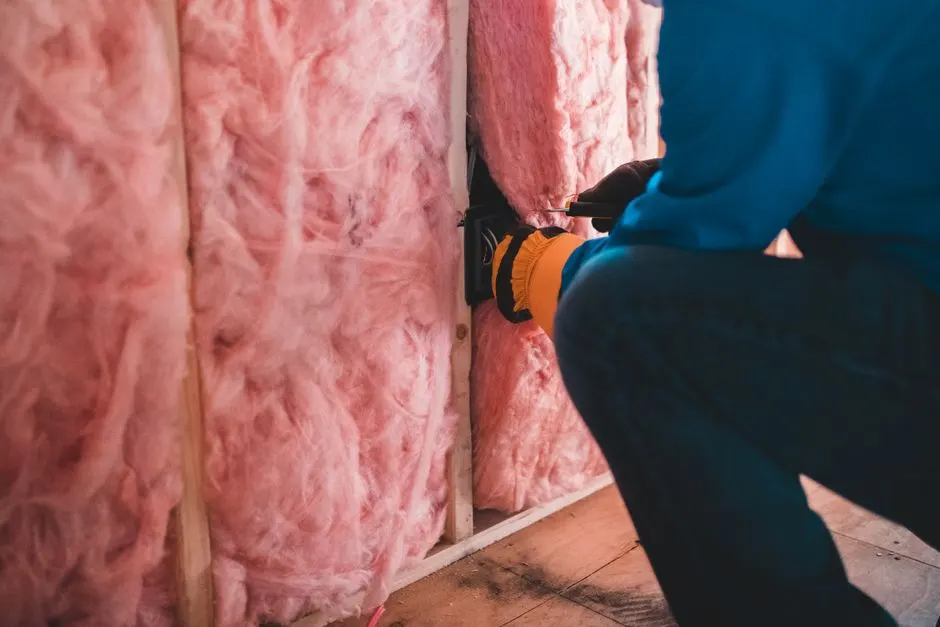






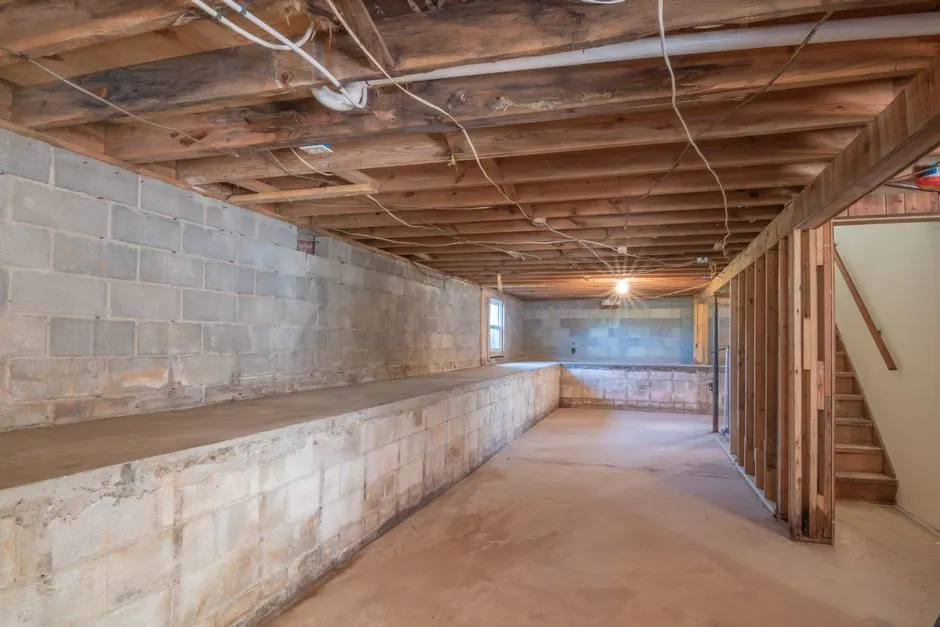
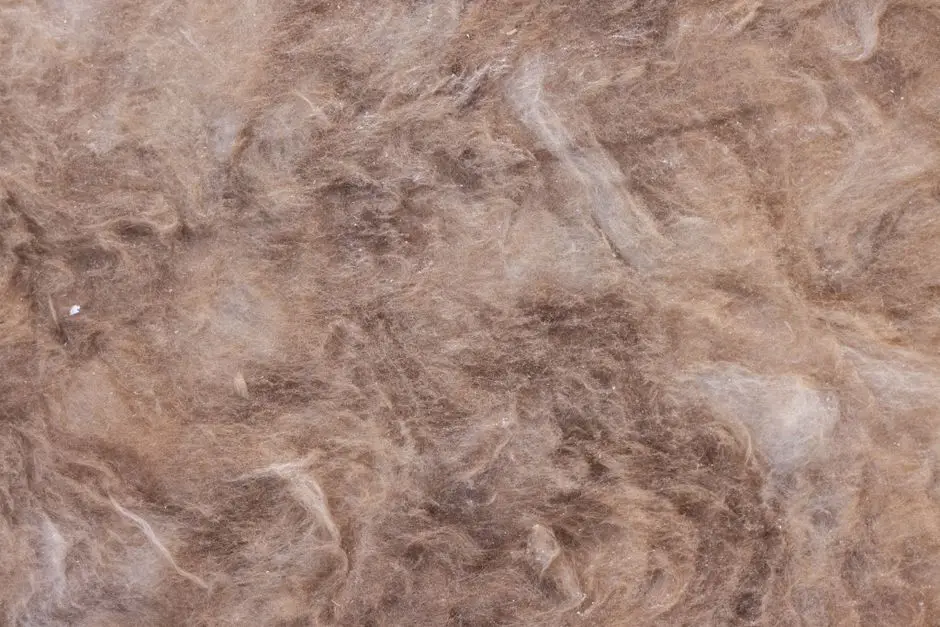



Great Clacton has a specific set of conditions that make spray foam problems more likely than in newer housing. A large proportion of the housing stock dates from the 1930s, when roofs were built to breathe rather than be sealed. Add coastal humidity and the grant-funded insulation schemes of the 2000s, and you get a predictable pattern of problems. Here are the four we deal with most as a Great Clacton spray foam removal team.
Lenders treat spray foam as a risk because it can hide roof defects and trap moisture in the structure. On Great Clacton's older semis, surveyors frequently cannot confirm the condition of the rafters underneath, so the valuation gets held up.
Foam applied directly to roof felt seals the roof. Warm moist air from the house rises, hits the cold surface and condenses. In Great Clacton's coastal climate, that cycle runs from October through to April and never fully dries out.
Once foam holds water against timber, rot follows. It usually starts at the rafter feet and around the eaves where ventilation was already poor. Older properties in Great Clacton Village are especially prone because the roof timbers are original.
Injected cavity foam can bridge the gap between the inner and outer leaf of the wall. That gives moisture a direct path across, which shows up as damp on internal walls. It is common in the streets around Holland Road and Valley Road where cavity insulation was installed years ago.
Most people in Great Clacton do not find out they have a foam problem until a surveyor tells them. But there are signs you can spot yourself before it reaches that stage. If any of the following sound familiar, it is worth getting an assessment rather than waiting for a valuation to stall. Loft spray foam removal in Great Clacton is far cheaper when it is done early, before rot sets into the rafters.
Condensation or damp on loft rafters
Foam sprayed onto roof felt stops the roof breathing. Moisture condenses on the cold timber through winter and stays there. If you can see dark staining or feel damp on the rafters, the foam is already causing a problem and it will not dry out on its own.
A surveyor has flagged foam in the roof space
This is the most common trigger we see in Great Clacton. Once a surveyor reports it, most lenders will not proceed until it is removed or independently assessed. Acting quickly keeps your sale or remortgage on track.
Musty smell in the loft or upstairs rooms
A persistent musty smell usually means trapped moisture and the early stages of timber rot from trapped moisture. It gets worse each winter. By the time you can smell it clearly, the foam has typically been holding water against the timber for at least a season.
Damp patches on internal walls
If foam was injected into your cavity, it can bridge the gap and give moisture a path straight across the wall. The result is damp patches on internal plaster that reappear every winter no matter how much you heat the room.
Foam visibly cracking or pulling away
Older polyurethane foam shrinks and cracks as it ages. Once it separates from the timber, it stops insulating properly and starts trapping moisture in the gap behind it. That is the point where removal is usually the only sensible option.
Great Clacton is compact, but the street layout around the older village core can catch you out if you do not know it. We use the main landmarks as orientation points when we are routing between jobs, and it helps us give you a realistic arrival window rather than a vague one. If you are near Great Clacton Recreation Ground or the library, we can usually tell you within ten minutes when we will be there.
A central orientation point in Great Clacton Village. We use it to route towards the older streets and terraces that surround it, where loft access is often tight.
Useful for locating the residential streets to its north and east. Jobs around here are typically family semis with straightforward loft access.
A key navigation marker on the western side of Great Clacton. We schedule arrivals outside school run hours to avoid the worst of the traffic on the surrounding roads.
Sits close to a cluster of older properties where we handle a lot of insulation assessment work. Handy for confirming which side of the village a job is on.
ZIP coverage on request — call to confirm.
Great Clacton's coastal position means damp air and driving rain for much of the year, and that shapes when foam problems show themselves. Autumn and winter are when most people notice something is wrong, but the best time to book removal is often spring, before the next wet season starts. Here is how it plays out across the year.
As the heating comes off, condensation in loft spaces starts to dry out and damp staining becomes easier to see. This is when we do a lot of insulation assessment work in Great Clacton, because problems are visible without being urgent.
Tip: Book an assessment in spring if you have any doubt. Removing foam before the next winter is cheaper than dealing with rot afterwards.
Warm, drier conditions make this the easiest time of year to work in a loft. Foam is more brittle in the heat, which can actually make closed cell spray foam removal slightly quicker. Access is easier and drying times are shorter.
Tip: If you have a mortgage valuation coming up in autumn, get the removal done in summer so the paperwork is ready well ahead of time.
Rain and falling temperatures bring the first damp patches of the year. This is when most Great Clacton homeowners first notice a problem, usually as a musty smell or a stain on an upstairs ceiling. Demand picks up sharply from October onwards.
Tip: Call as soon as you spot a sign. Slots fill quickly from October, and a lender deadline in November is harder to meet if you wait until the middle of the month.
The worst season for trapped moisture. Condensation in loft spaces peaks, timber rot accelerates and active water ingress becomes more likely. This is when our 24/7 spray foam removal Great Clacton Essex cover matters most.
Tip: If water is coming through, isolate what you can and call us straight away. Do not leave it running into a ceiling overnight.
Great Clacton sits at the centre of a patch we cover daily. Because we are based locally, we can move between these towns without the travel delays that catch out contractors coming in from Colchester or further afield. If you are just outside Great Clacton, we almost certainly cover you.
(City)
Roughly a five minute drive from Great Clacton. Many of our customers here are landlords and buyers dealing with survey findings on older town centre properties.
View Clacton Town Centre(City)
A short drive east along the coast. We regularly pair Holland-on-Sea jobs with Great Clacton bookings on the same day to keep travel down.
View Holland-on-Sea(City)
Close by to the south west. Properties here are often older and more exposed to damp, so moisture-related foam problems come up regularly.
View Jaywick(City)
A few miles west of Great Clacton. We cover loft and cavity work across the village and the surrounding lanes.
View St Osyth(City)
Just along the coast from St Osyth. Coastal exposure makes roof and loft ventilation issues more common here.
View Point Clear(City)
On the northern edge of Clacton, within easy reach of Great Clacton. Mostly residential work on family homes with loft foam.
View Bocking's ElmReal answers from our team for the questions we hear most often before a job starts.
If a surveyor has flagged foam in your loft or your lender is holding up a valuation, we can help. We have worked Great Clacton since 2022, we are TrustMark registered and CHAS accredited, and we supply the photographic report your lender needs. Call us on 0333 567 2543 or send photos of your loft and we will give you a straight price. Same day slots are usually available across CO15 4, CO15 5 and CO15 6 if you call before midday.
Call us on 0333 567 2543 between 08:00 and 18:00, Monday to Friday, and you will speak to someone who has actually been up a Clacton loft this month. Out of hours, leave a message and we will call you back first thing. For surveys, quotes and documentation requests, email [email protected] and we will reply the same working day.
Phone
03335672543Address
72-78 Rosemary Rd, Clacton on Sea CO15 1TZ, UK, Clacton on Sea, Essex
Hours
Mon–Fri: 7AM – 7PM
Sat: 8AM – 4PM
Sun: Emergency Only
24/7 Emergency Available