Jaywick Martello Tower
A well-known local landmark at the western end of Jaywick near the seafront. We use it as an orientation point when routing to the streets and chalets around it, particularly for jobs close to the beach.

Spray foam removal in Jaywick is a specialist job, and Jaywick is not a typical Essex town. The place grew up as a coastal settlement of timber-framed bungalows and chalets, many of them built for summer use and never designed to hold modern insulation. When open cell spray foam or closed cell spray foam was pumped into those roof spaces, it trapped moisture against old rafters that were already dealing with salt air and driving rain off Jaywick Beach. We have been working these streets since 2022, and the pattern is always the same: condensation in loft, timber rot from trapped moisture, then a failed building survey. We strip the foam out with dry ice blasting, sand blasting equipment and an oscillating multi-tool where the foam has bonded hard, then we check the timbers with a moisture meter and a boroscope inspection camera before anything new goes back in. If you need Jaywick spray foam removal that stands up to a lender's inspection, that is the work we do.
Every property in Jaywick is different, so we quote the job, not the postcode. Some customers need a single loft cleared before a survey; others want the whole house checked after a mortgage refusal due to spray foam. If you have been searching for spray foam removal in Jaywick near me and want someone who has actually worked on these chalets and bungalows, this is the full list of what we do across CO15 2.

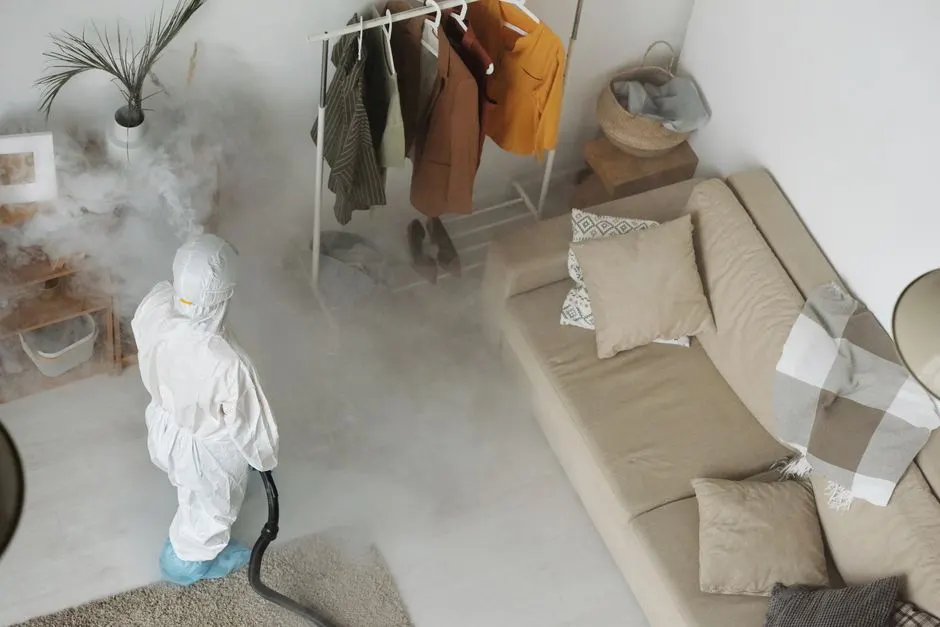




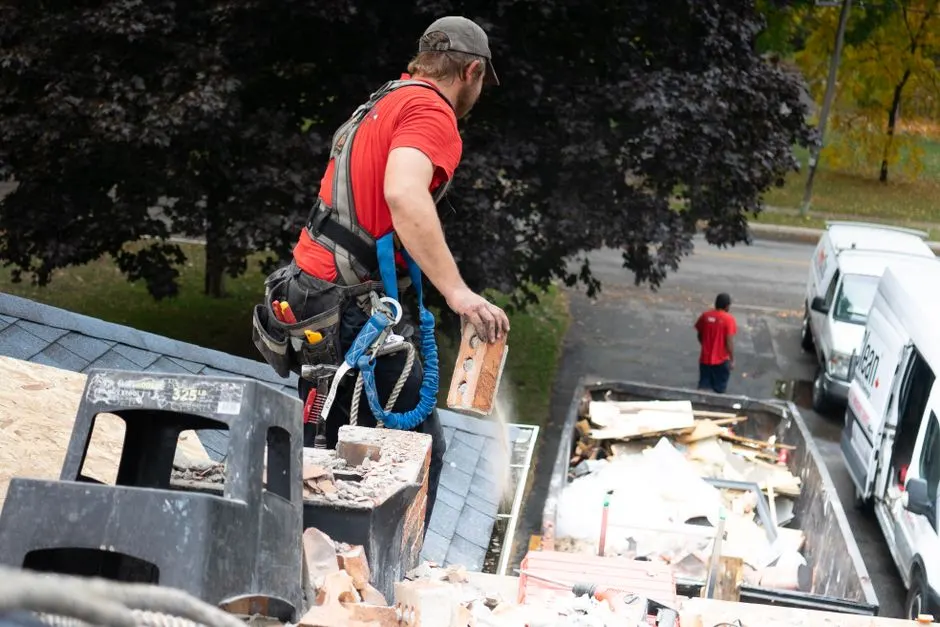
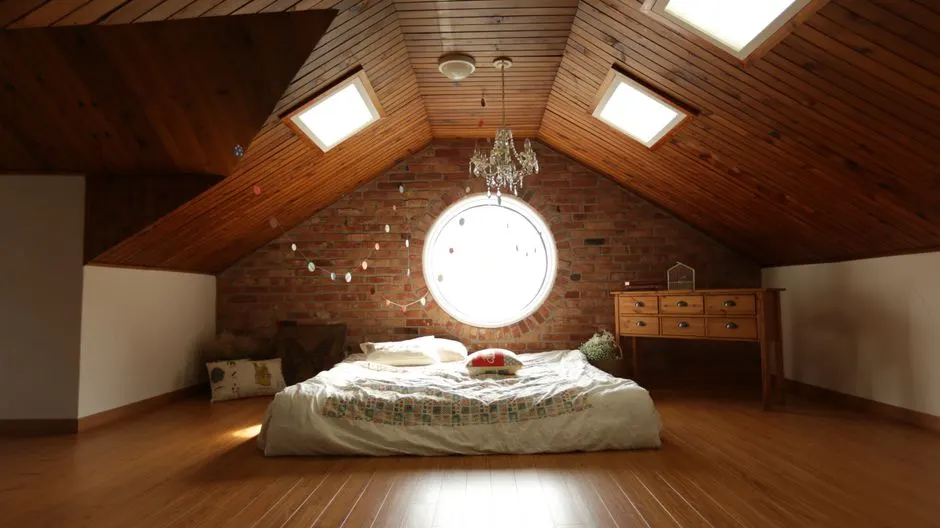
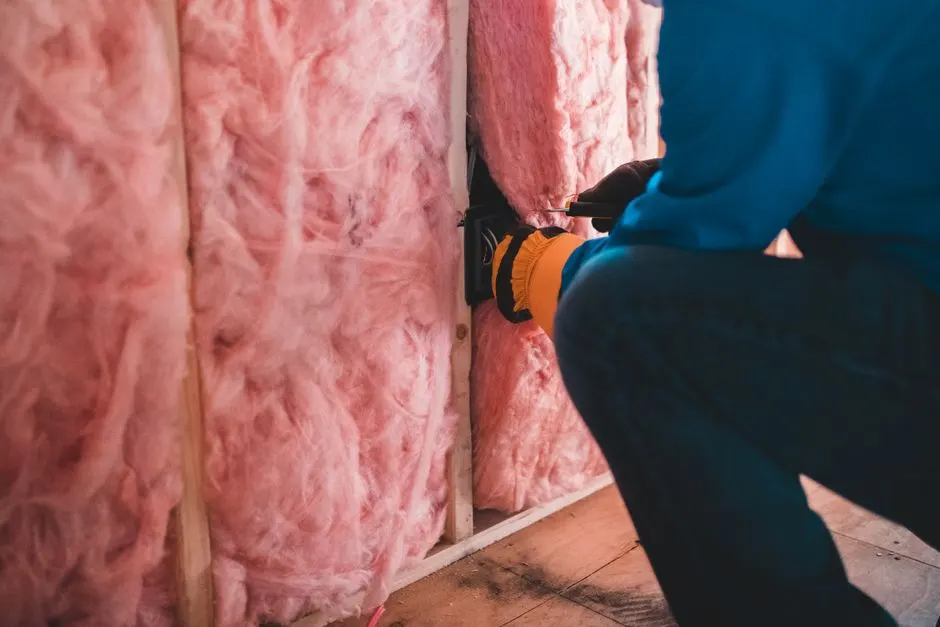







Jaywick's building stock and coastal position create a specific set of foam problems you do not see as often inland. Salt air, driving rain off Jaywick Beach, flood exposure around Jaywick Sands and a large number of older timber-framed chalets all combine to make foam riskier here. Add in the fact that much of the foam was installed years ago under retrofit schemes, and you get a village full of properties where spray foam insulation removal Jaywick is the only real answer.
Jaywick's coastal air is damp for much of the year, and foam sprayed directly onto timber stops the roof space from breathing. Moisture condenses on the cold side of the foam and sits against the rafter, which is exactly where rot starts.
Lenders and surveyors treat spray foam as a hidden risk because it conceals the condition of the roof structure. In Jaywick, where many properties are older and lightly built, that caution is understandable and it stalls sales regularly.
Foam injected into a cavity can bridge the gap between the two leaves of the wall, giving moisture a path from the outer wall to the inner. In flood-exposed streets around Jaywick Sands this turns a minor damp issue into a serious one.
Once foam is flagged on a survey, buyers either walk away or drop their offer, and the property sits on the market. In a regeneration area like Jaywick, where values are already sensitive, that hit is felt hard by sellers.
Foam does not always announce itself. In Jaywick's coastal climate it can sit in a roof space for years, quietly trapping moisture, until a surveyor or a cold winter exposes the problem. If you have been searching for spray foam removal in Jaywick near me, these are the triggers that tell you it is time to get someone out. The earlier you act, the less timber damage there is to put right.
Condensation running down the rafters
Water droplets on the underside of the roof covering usually mean the foam has sealed the roof and stopped it breathing. In Jaywick's damp air this happens fast, and the moisture is sitting against the timber every night. It needs investigating before the rafters soften.
A musty smell in the loft or upstairs
A persistent damp, earthy smell is a classic sign of trapped moisture and early timber rot from trapped moisture. By the time you can smell it, the foam has usually been holding water for months. Get it checked with a moisture meter before it spreads.
Surveyor or lender flags the foam
A failed building survey or a mortgage refusal due to spray foam is the most common reason Jaywick homeowners call us. Lenders treat foam as a risk because it hides the condition of the roof structure. Removal and inspection is usually the fastest route to unblocking a sale.
Visible sagging or crumbling foam
If the foam is pulling away from the rafters, crumbling or dropping onto the loft floor, it has failed as insulation and is no longer doing anything useful. It is also a sign that moisture has got behind it. Removal is the only sensible fix at that point.
Cold rooms despite the insulation
Foam that has absorbed water loses its insulating value, so the house feels cold and heating bills climb. In Jaywick's older bungalows this is often blamed on the windows or the boiler when the real culprit is wet foam in the roof space above.
Jaywick is easy to navigate once you know it, and we use the landmarks as orientation points when we are routing between jobs. Jaywick Martello Tower sits at the western end near the beach and is a useful marker for the streets around it. Jaywick Beach runs along the front, and most of the seafront chalets we work on are within a few minutes of it. Jaywick Community Centre and Jaywick Village Hall are both handy reference points for the residential streets behind the seafront, and Brooklands Recreation Ground helps us place the Brooklands and Grasslands addresses quickly. If you give us a landmark rather than a full address, we will find you.
A well-known local landmark at the western end of Jaywick near the seafront. We use it as an orientation point when routing to the streets and chalets around it, particularly for jobs close to the beach.
The seafront that defines the layout of Jaywick Sands. It helps us place addresses along the front and the streets running back from the sea, which is useful when a customer gives a chalet name rather than a number.
A central reference point for the residential streets behind the seafront. We use it to confirm which side of Jaywick an address sits on before we set off, saving time on the day.
Another useful local marker for the older part of the village. It helps us distinguish between similar street names and get the van to the right access point first time.
ZIP coverage on request — call to confirm.
Jaywick's climate drives when foam problems surface. Autumn and winter are when damp and condensation make themselves known, while spring and summer are when surveys, sales and planned work happen. Knowing the seasonal pattern helps you time spray foam removal in Jaywick so you are not dealing with it in the worst weather.
Spring is when buyers start viewing and surveys get booked, so foam flagged over winter turns into an urgent removal job. Damp patches from the wet months are still visible, which makes it a good time to assess the true condition of the timbers.
Tip: If your sale or remortgage is planned for summer, book the assessment in spring so removal and any timber repairs are done well before the surveyor visits.
Warmer, drier weather makes loft work more comfortable and lets roof spaces dry out faster after foam removal. It is our busiest period for planned jobs on Jaywick's bungalows and chalets, and the best window for any timber treatment.
Tip: Book early in summer if you want a same day or next day slot, because the diary fills quickly with pre-sale removals across Jaywick and the surrounding towns.
As temperatures drop, condensation in loft starts to show on foam-sealed roofs. This is when homeowners in Jaywick first notice damp smells and wet rafters, and when we get the most calls about open cell foam that has soaked up moisture.
Tip: Get the loft inspected in fall before the worst of the damp sets in. Removing wet foam now prevents a winter of moisture sitting against your timbers.
Winter is the hardest season for foam-affected roofs in Jaywick. Cold outside, warm and moist inside, and the foam traps that moisture against the rafters. Storms and flood risk around Jaywick Sands can also push water into cavities holding foam.
Tip: If you spot a leak or damp after a storm, call us straight away. We run 24/7 cover and can make the roof space safe and start drying before rot takes hold.
Jaywick sits within a compact service region along the Tendring coast, and we cover the surrounding towns on the same schedule. If you are in one of these areas and need foam removed before a survey or sale, the same team and the same equipment come out. We treat the whole coastline as one working area rather than separate patches.
(City)
Roughly 3 miles from Jaywick and our home base. Many Jaywick customers come to us through Clacton estate agents and surveyors, and we cover both areas on the same day.
View Clacton Town Centre(City)
About 4 miles inland from Jaywick. We regularly pair Great Clacton jobs with Jaywick call-outs, especially where a landlord owns property in both areas.
View Great Clacton(City)
Around 5 miles along the coast. Similar coastal building stock to Jaywick, so the foam and damp problems we see there are familiar ones.
View Holland-on-Sea(City)
About 6 miles west of Jaywick. A mix of older cottages and modern homes, and we handle foam removal there on the same weekly rounds.
View St Osyth(City)
Roughly 7 miles down the coast. Coastal properties with the same salt air and damp issues, often needing cavity wall foam removed before a sale.
View Point Clear(City)
About 4 miles from Jaywick towards Clacton. Mostly residential, and a common add-on job when we are already working in the Jaywick area.
View Bocking's ElmReal answers from our team for the questions we hear most often before a job starts.
If foam is blocking your sale, your remortgage or your insurance, we can get it out and get your roof space back to a condition a surveyor will accept. We have worked Jaywick's chalets and bungalows since 2022, we hold TrustMark and CHAS registration, and we document the timber condition for your lender. Call 03335672543 and we will book an assessment at a time that suits you.
Call us on 0333 567 2543 between 08:00 and 18:00, Monday to Friday, and you will speak to someone who has actually been up a Clacton loft this month. Out of hours, leave a message and we will call you back first thing. For surveys, quotes and documentation requests, email [email protected] and we will reply the same working day.
Phone
03335672543Address
72-78 Rosemary Rd, Clacton on Sea CO15 1TZ, UK, Clacton on Sea, Essex
Hours
Mon–Fri: 7AM – 7PM
Sat: 8AM – 4PM
Sun: Emergency Only
24/7 Emergency Available