Point Clear Beach
A useful orientation point for jobs along the seafront and The Esplanade. If you can see the beach, we can usually find your road within a couple of minutes.

Spray foam removal in Point Clear is a specialist job, and it is the only thing our team does. We have worked this stretch of the Essex coast since 2022, clearing open cell and closed cell spray foam from lofts, roof rafters, cavity walls and commercial units across Point Clear Bay, The Esplanade and Point Clear Road. The coastal hamlet here is a mix of holiday chalets, bungalows and older brick and timber buildings, and that building stock behaves differently from inland properties. Sea air, winter flooding and seasonal occupation all leave their mark on insulation. When foam is sprayed into a roof void it traps moisture against the timber, and along this coastline that means condensation in loft spaces, timber rot from trapped moisture and failed building surveys. We remove it with dry ice blasting machines, oscillating multi-tools and industrial vacuum extractors, then verify the timbers with a moisture meter and boroscope inspection camera before we sign anything off. If you need Point Clear spray foam removal that satisfies a lender, a surveyor or simply your own peace of mind about the roof over your head, we are the team that turns up, does the work and leaves the loft cleaner than we found it.
Every property in Point Clear is different, so we match the removal method to the building. A holiday chalet with open cell foam in a shallow roof void is a different job from a brick bungalow with closed cell foam bridging a cavity wall. If you have been searching for spray foam removal in Point Clear near me and want a straight answer on cost, method and timescale, we will assess the property, explain what is involved and give you a fixed price before we start. Here is what we cover across the CO16 8 area.

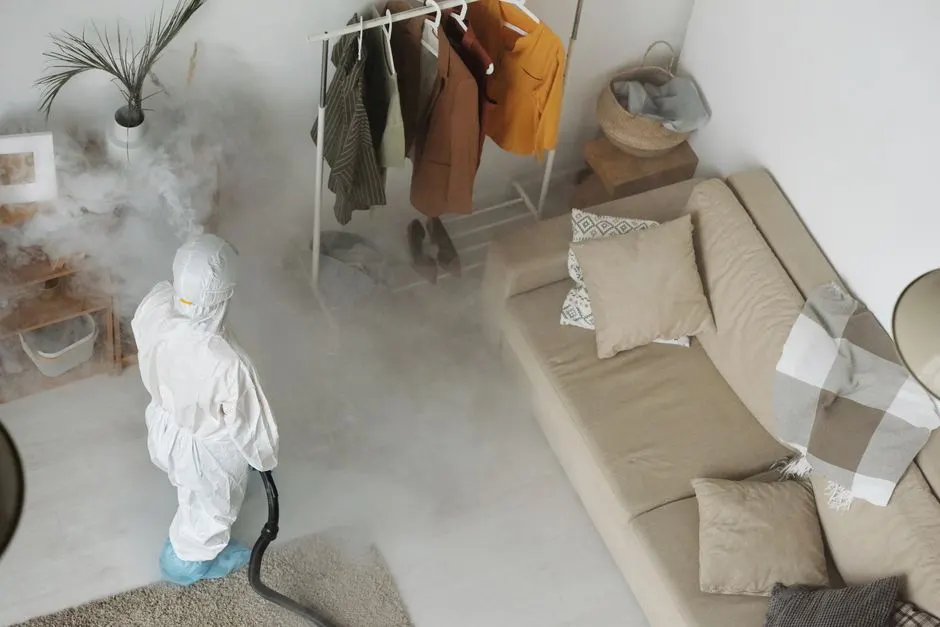












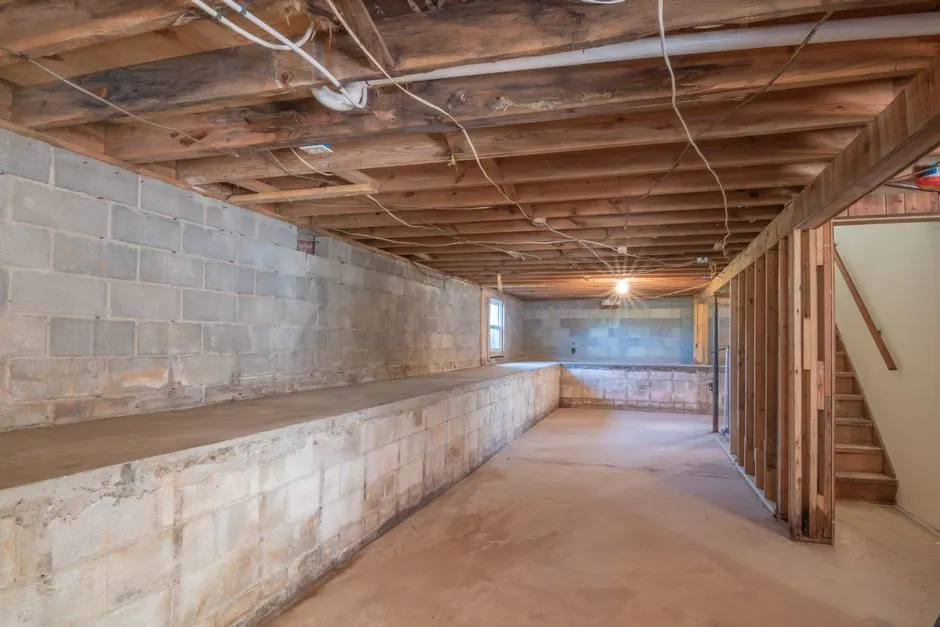



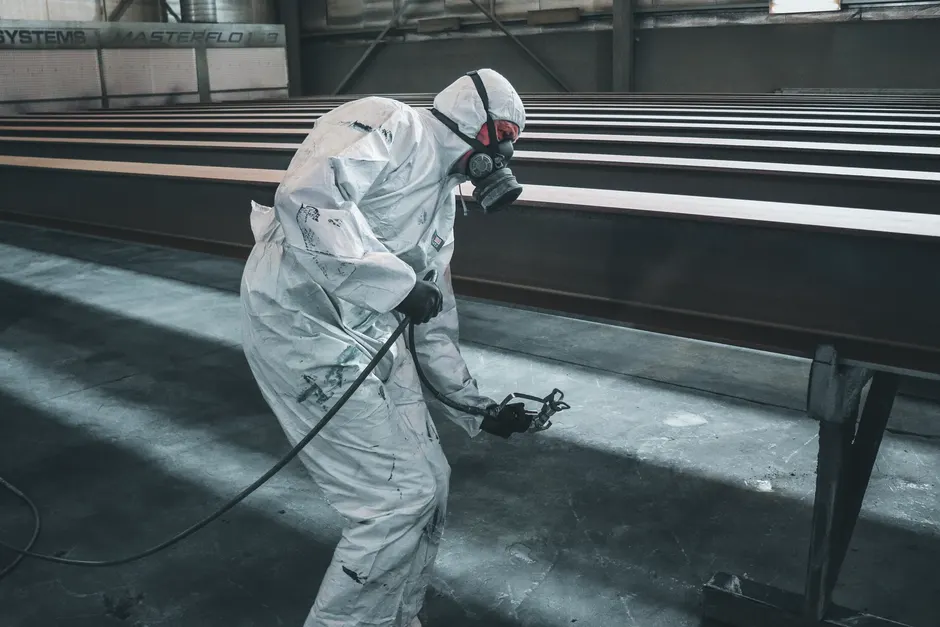
Point Clear has a particular set of conditions that make spray foam riskier than it is inland. Sea air, wind-driven rain, older timber and brick construction, and a lot of seasonal occupation all play a part. The same foam that seemed like a good idea a decade ago can now be the reason a sale stalls or a roof starts to rot. Here are the problems we see most often, and how we deal with them.
Lenders and surveyors treat spray foam as a risk because it can trap moisture against timbers and hide defects. In Point Clear, where many properties are older and exposed, that risk is taken seriously and valuations are often held back until the foam is gone.
Foam applied to roof felt or rafters blocks the path for moisture to escape. Along the coast, where humidity is higher and driving rain is common, the trapped moisture shows up as condensation, damp patches and a musty loft.
Once foam holds water against a rafter, the timber stays damp for long periods. Rot follows, and in the older chalets and bungalows around Point Clear Bay it can spread along a rafter before it is noticed.
Foam injected into a cavity can bridge the gap between the two leaves of the wall, giving moisture a path inward. It is common in the older brick properties off Mill Street and Seaview Road, and it often shows up as damp patches inside.
Spray foam does not always announce itself. In Point Clear, the first clue is often a surveyor's report or a lender's question rather than something you can see. But there are physical signs too, especially in the older chalets and bungalows along the seafront. If any of these sound familiar, it is worth getting the roof void looked at before the problem spreads. Searching for spray foam removal in Point Clear near me usually means one of these has already happened.
Mortgage lender refuses to lend
This is the most common trigger. Lenders treat spray foam as a risk because it can trap moisture and hide structural problems. Once it is removed and the timbers are verified, most valuations can proceed. Do not wait for the offer to expire before booking.
Condensation in the loft that will not clear
Foam sprayed onto the underside of roof felt blocks ventilation and traps warm, moist air. In coastal Point Clear properties this shows up as dripping condensation, damp patches on stored items and a musty smell. It will not fix itself.
Damp patches on internal walls
If foam has bridged a cavity wall, moisture can travel across and show up inside. It often appears low down or around window reveals. Left alone, it damages plaster and can reach the timber frame.
Timber discolouration or soft spots in the roof
Brown staining on rafters, a spongy feel when you press the timber, or a boroscope showing dark patches all point to rot from trapped moisture. This is the point where removal becomes urgent rather than advisable.
Surveyor flags foam as a defect
A failed building survey is a clear signal. Surveyors working in Point Clear know the local building stock and will flag foam that is trapping moisture or installed without certification. We can remove it and provide the evidence your buyer or lender needs.
Point Clear is a small coastal hamlet, and knowing the landmarks makes the difference between a quick call-out and a wasted journey. We use Point Clear Beach and the causeway as our main orientation points, then work back along Point Clear Road, Mill Street and Seaview Road. The holiday park and boatyard help us place jobs quickly when a customer gives us a landmark rather than a full address. If you are not sure of your postcode or the access is awkward, tell us the nearest landmark and we will find you.
A useful orientation point for jobs along the seafront and The Esplanade. If you can see the beach, we can usually find your road within a couple of minutes.
The causeway marks the approach into the hamlet and helps us plan routes when the tide or traffic affects access along the front.
A recognisable marker on the St Osyth side of Point Clear, useful for locating properties set back from the seafront and for planning access to nearby lanes.
A clear reference point for the chalet cluster behind the beach. Many of our Point Clear Bay jobs are booked by landmark rather than street name.
ZIP coverage on request — call to confirm.
Point Clear is a coastal hamlet with a seasonal population, and the weather shapes when problems appear and when we can work. Autumn and winter bring the storms and driving rain that expose roof and cavity problems. Spring is when owners return and find them. Summer is the best window for planned removal. Here is what to expect through the year.
Owners returning to Point Clear after winter often find condensation in the loft or damp patches inside. Foam that has been trapping moisture all winter is at its worst now, and surveyors are busy with sales that stalled over the colder months.
Tip: Book an assessment as soon as you notice damp. Early spring is quieter for us, so you can often get a same-week appointment before the summer rush.
The driest and warmest months make this the best time for planned removal. Roof voids are easier to work in, timbers dry out faster after the foam is cut back, and there is less risk of rain getting into an open roof.
Tip: If your removal is not urgent, aim for June to August. It also means the property is dry and ready before the winter weather arrives.
Autumn storms and driving rain test every roof on the Point Clear seafront. Foam that has been holding water against felt and rafters becomes a real problem, and leaks that were minor in summer suddenly matter.
Tip: Get the roof void checked before the worst of the weather. If foam is already soaked, call us and we will prioritise it as an emergency.
Cold, wet and windy conditions make exterior access harder and slow down some removal methods. Emergency call-outs for soaked foam and leaks are common, especially after storms and high tides along the Esplanade and Point Clear Road.
Tip: Keep our number saved. If a leak reaches the foam, call the 24/7 line and we will attend as soon as it is safe to work.
Point Clear sits within a compact stretch of the Essex coast, and we cover the whole area from one base. That means if you are in Point Clear and need a job done, we are not travelling from the other side of the county. We also work regularly in the neighbouring towns and villages, so the same team, the same kit and the same paperwork apply wherever you are.
(City)
About 15 minutes inland from Point Clear. Many of our Point Clear customers first contact us through our Clacton base.
View Clacton Town Centre(City)
A short drive north of Point Clear, with similar older housing stock and the same spray foam and mortgage issues.
View Great Clacton(City)
A few miles up the coast. Exposed seafront properties face the same wind-driven rain and roof foam problems as Point Clear.
View Holland-on-Sea(City)
Close by along the coast, with a high proportion of chalets and bungalows where foam removal and damp treatment go together.
View Jaywick(City)
The village immediately inland from Point Clear. We pass through it on most Point Clear call-outs.
View St Osyth(City)
A residential area on the Clacton side, covered on the same round as our Point Clear and St Osyth work.
View Bocking's ElmReal answers from our team for the questions we hear most often before a job starts.
If spray foam is holding up your mortgage, trapping damp in your loft or failing a survey, call us on 03335672543. We cover Point Clear and the whole CO16 8 area, provide fixed prices before we start, and give you the photographs and moisture readings your lender needs. Same day and 24/7 call-outs available. One call and we will tell you what is involved and when we can get to you.
Call us on 0333 567 2543 between 08:00 and 18:00, Monday to Friday, and you will speak to someone who has actually been up a Clacton loft this month. Out of hours, leave a message and we will call you back first thing. For surveys, quotes and documentation requests, email [email protected] and we will reply the same working day.
Phone
03335672543Address
72-78 Rosemary Rd, Clacton on Sea CO15 1TZ, UK, Clacton on Sea, Essex
Hours
Mon–Fri: 7AM – 7PM
Sat: 8AM – 4PM
Sun: Emergency Only
24/7 Emergency Available