Valley Road Playing Field
The main open space in the area and the easiest orientation point for the surrounding estate streets. We use it to place addresses quickly when a postcode covers several similar roads.
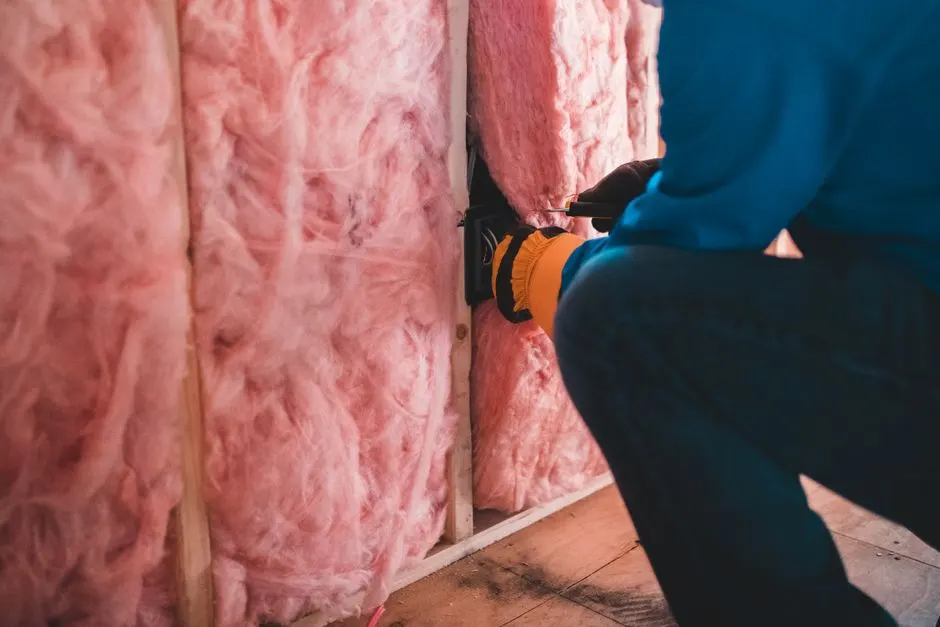
Spray foam removal in Valley Road is a specialist job, and it is not the same as pulling out old mineral wool. Most of the housing here went up between the 1960s and 1980s, and a lot of it was later topped up with spray foam loft insulation under a government-backed scheme. That foam has now had time to shrink, crack and trap moisture against the roof rafters. We have been working this patch since 2022, so we know which streets have the worst of it and which lenders are asking the toughest questions. Our Valley Road spray foam removal service covers the full strip-out: open cell spray foam, closed cell spray foam, and the polyurethane foam that has bonded itself to the underside of your roof felt. We use a boroscope inspection camera to check the rafter bays before we quote, so you get a real number rather than a guess. If you need spray foam removal near Valley Road urgently because a sale is hanging on it, we can usually get someone out the same day.
Demand in Valley Road splits roughly into two camps: homeowners who have been told by a surveyor that the foam has to go, and homeowners who have spotted damp from spray foam insulation themselves. If you have been searching for spray foam removal in Valley Road near me, you are in the right place. We cover every job type below across CO15 4 and the surrounding streets, from a single loft hatch to a full warehouse roof.

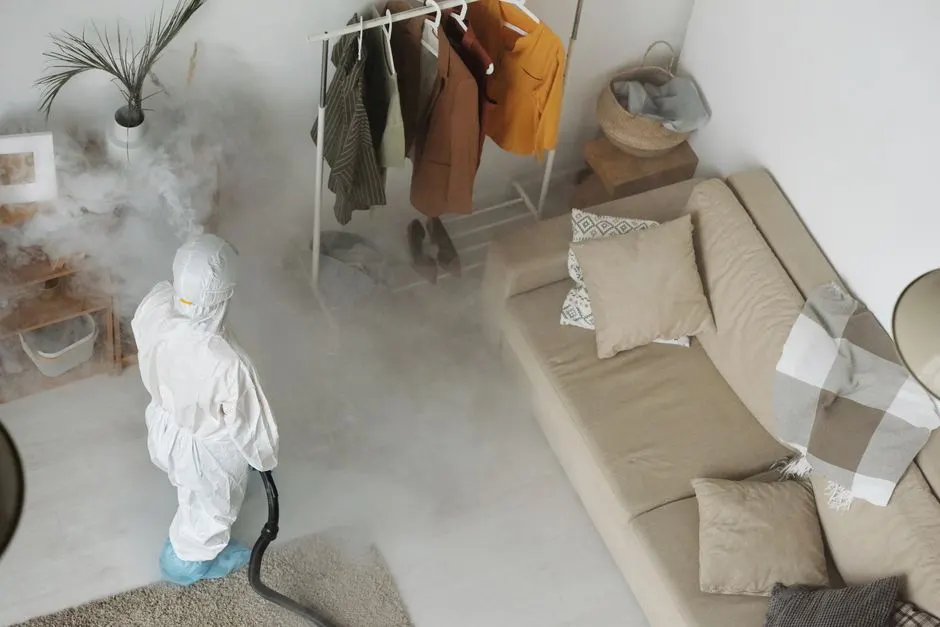











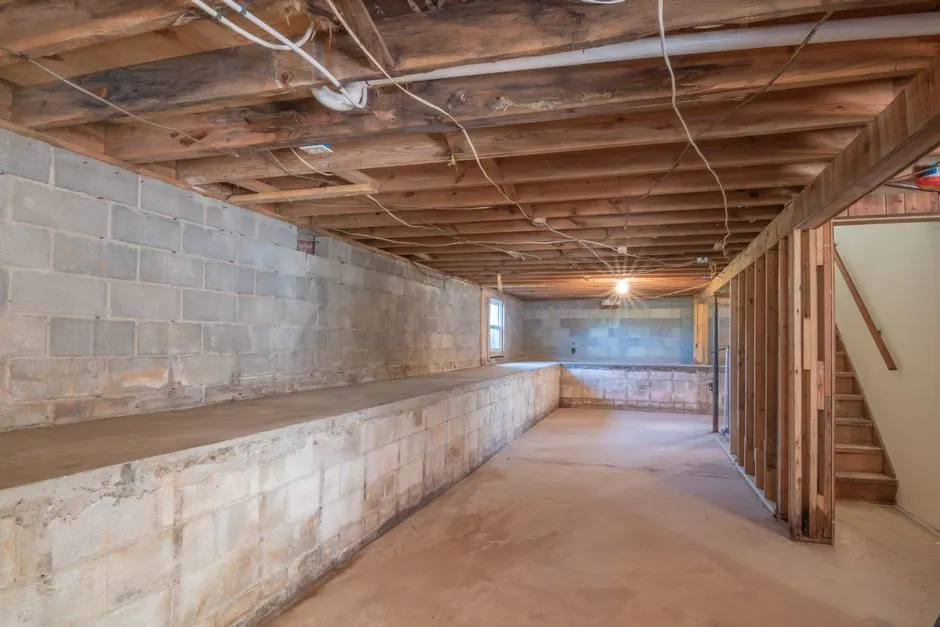
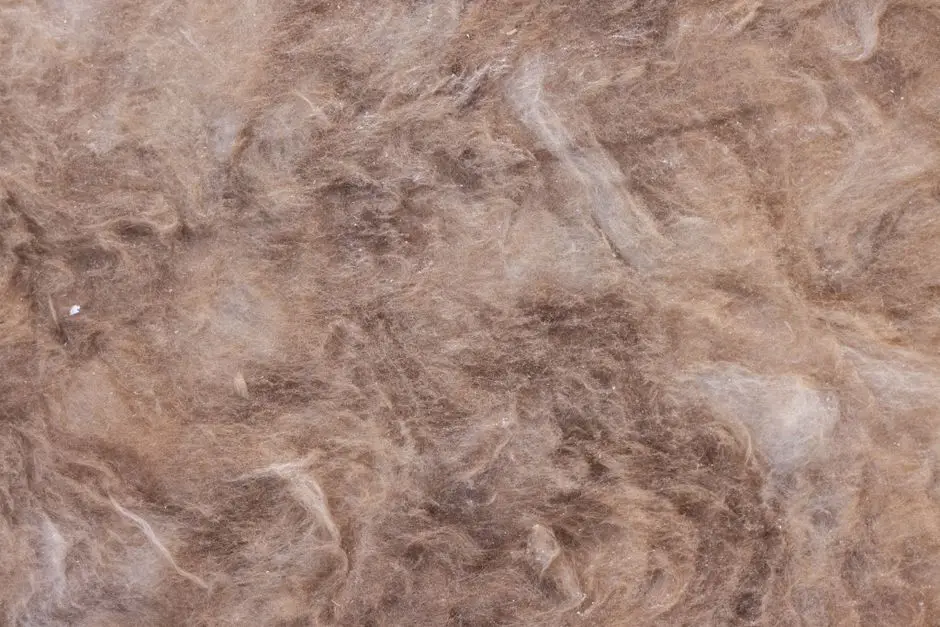


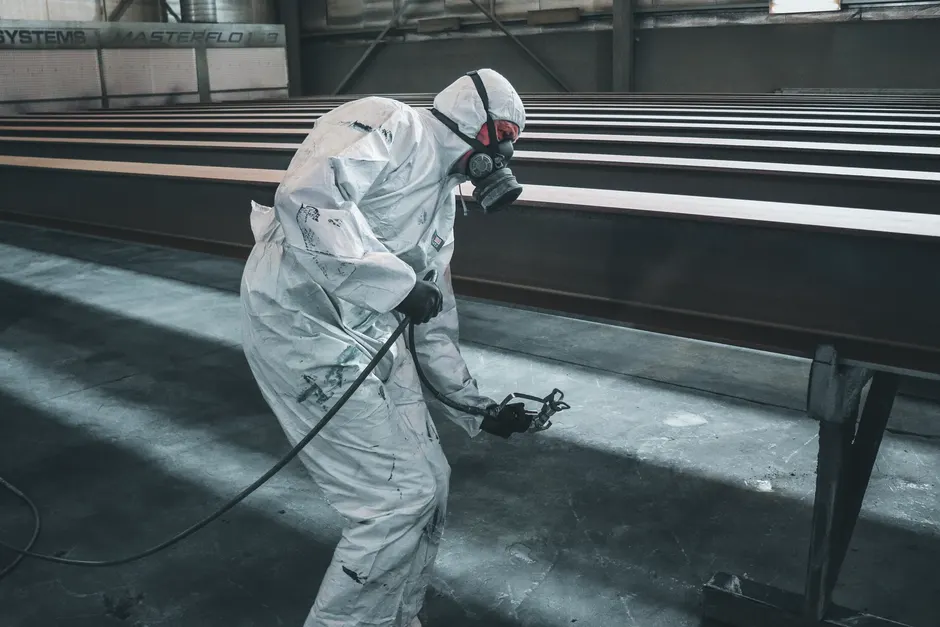
Valley Road has a specific set of conditions that make spray foam problems more likely than in some other parts of Essex. The housing is mostly 1960s to 1980s, the rafter depths are shallow, and a lot of foam was fitted under grant schemes without a proper ventilation check. Add the coastal damp air and you get a predictable pattern of failures. Here is what we see most often.
Shallow rafters in the older Valley Road housing leave very little space, and foam was often sprayed to fill the full depth. That blocks the airflow path that keeps the roof void dry.
Once the loft cannot breathe, condensation forms on the rafters and the felt. Over a few winters, that moisture works into the timber and starts the rot process. It is worse in lofts where the foam has gone spongy.
Lenders and their surveyors treat spray foam as a risk because it can hide structural defects and trap moisture. In Valley Road, where homes change hands regularly, this comes up on valuation surveys again and again.
Foam injected into a cavity can bridge the gap between the two leaves of the wall, letting damp travel across to the inner surface. On the exposed coastal side of Valley Road, that shows up as damp patches on internal walls.
Most people in Valley Road do not realise they have a problem until a surveyor tells them. If you are looking for loft spray foam removal in Valley Road, these are the triggers we hear about most often. Any one of them is worth a look, and two or more usually means the foam needs to come out sooner rather than later.
A musty or damp smell in the upstairs rooms
That smell is usually moisture sitting in the foam and the timbers behind it. Foam that has bridged the ventilation gap stops the loft breathing, so damp air has nowhere to go. Left alone, it works its way into the ceiling and the rafter ends.
A mortgage valuation survey flags the spray foam
This is the most common trigger in Valley Road. Lenders treat spray foam as a risk because it can hide timber defects, and many will not lend until it is removed. Acting quickly protects your sale or purchase timeline.
Condensation on the roof felt or rafters
Water beading on the underside of the felt means the loft is not ventilating. Foam is often the cause, because it blocks the gap at the eaves. Long term, that condensation leads to timber rot from trapped moisture.
The foam has started to shrink, crack or crumble
Older polyurethane foam breaks down over time. Once it cracks, it stops insulating properly and starts trapping moisture instead of keeping it out. Crumbling foam is a sign the bond has failed and removal is the only sensible fix.
You are buying or selling a home in CO15 4
If a survey has flagged spray foam, or you are buying a property with a foam-insulated loft, get an assessment before you exchange. Knowing the condition of the timbers early saves a lot of stress later in the process.
Valley Road is a straightforward area to work in once you know it, but the streets do not run in a neat grid. We use the local landmarks as orientation points when we are booking jobs and routing the van. Valley Road Playing Field is the easiest marker for the estate streets, and Clacton Leisure Centre is a useful pin for the western side. Burrsville Park and Burrsville Medical Centre help us place addresses on the Burrs Road side, and Clacton Coastal Academy is the reference point we use for the school-run streets where parking is tight between 8am and 9am. Knowing this saves a phone call and gets us to your door faster.
The main open space in the area and the easiest orientation point for the surrounding estate streets. We use it to place addresses quickly when a postcode covers several similar roads.
A well-known building on the western side of the area. It helps us route to the streets between the estate and the town, particularly where one-way sections slow the van down.
A useful marker for the Burrs Road side of the patch. Addresses near the park are easy to find, and there is usually space to park the van without blocking a driveway.
A reference point for the residential streets around the school. We avoid booking arrivals at drop-off and pick-up times where parking is restricted and the roads are busy.
ZIP coverage on request — call to confirm.
Valley Road sits close to the coast, so the air is damp for much of the year and the wind comes in off the sea. That shapes when spray foam problems show up and when it is best to get the work done. If you are searching for 24/7 spray foam removal Valley Road Essex cover, we run that line all year, but the demand pattern is seasonal.
Spring is when damp smells and condensation become obvious again after the winter. Lofts that were cold and dry in January start showing moisture as the outside temperature rises. It is also the start of the house-selling season, so surveyor flags pick up.
Tip: If you noticed a damp smell over winter, get an assessment done now before the surveyor does. Spring is a good time to strip foam because the loft is workable and the timbers can dry out.
Warm, humid air off the sea can make an unventilated loft feel clammy. Foam that has already cracked will hold that moisture. Summer is also the busiest time for sales, so mortgage-driven jobs spike.
Tip: Book early if you have a sale in progress. Loft temperatures get high in July and August, so we start early in the day to get the work done before the heat builds.
As the temperature drops, condensation starts forming on cold roof felt again. This is when trapped moisture does the most damage to timbers. Damp patches on ceilings often appear for the first time in October and November.
Tip: Get the foam out before the worst of the winter. Once the timbers are bare and the ventilation path is clear, the loft has a much better chance of staying dry through the cold months.
Winter is when the damage shows. Condensation, damp ceilings and musty smells are at their worst, and storm-driven rain off the sea can find its way into a roof that is already compromised. Emergency calls go up.
Tip: If you have a leak or a sudden damp problem, call the 24/7 line. We can usually get out quickly, and we will make the loft safe and dry before any full strip-out is scheduled.
Valley Road sits inside a compact service region, and we run the same crew across all of it. If you are on the edge of the patch, or just outside it, call us anyway. Most of these areas are within fifteen minutes of Valley Road, so we can usually fit you into the same day or the next.
(City)
About a ten-minute drive from Valley Road. We regularly move between town centre jobs and the Valley Road Estate on the same day.
View Clacton Town Centre(City)
Directly adjacent to Valley Road, sharing the same CO15 4 postcode area. Many of our Valley Road customers first found us through a Great Clacton job.
View Great Clacton(City)
A short run east along the coast. We cover loft and cavity foam removal here on the same schedule as Valley Road work.
View Holland-on-Sea(City)
Roughly fifteen minutes away. Older housing stock with a similar spray foam history, so the same methods apply.
View Jaywick(City)
A little further out to the west, but still within our normal service radius for loft spray foam removal.
View St Osyth(City)
Close to St Osyth and covered on the same runs. Coastal properties here often need a closer look at roof ventilation.
View Point ClearReal answers from our team for the questions we hear most often before a job starts.
If a surveyor has flagged your loft, or you have spotted damp from spray foam insulation, call us on 0333 567 2543. We cover the Valley Road Estate, Frinton Road, Holland Road and Burrs Road, and we can often be on site the same day. We inspect the loft, quote from what we find, and leave you with photographs of the bare rafters for your lender. No guesswork, no surprises.
Call us on 0333 567 2543 between 08:00 and 18:00, Monday to Friday, and you will speak to someone who has actually been up a Clacton loft this month. Out of hours, leave a message and we will call you back first thing. For surveys, quotes and documentation requests, email [email protected] and we will reply the same working day.
Phone
03335672543Address
72-78 Rosemary Rd, Clacton on Sea CO15 1TZ, UK, Clacton on Sea, Essex
Hours
Mon–Fri: 7AM – 7PM
Sat: 8AM – 4PM
Sun: Emergency Only
24/7 Emergency Available