Rush Green Recreation Ground
A useful orientation point for the residential streets on the northern side of Rush Green. We use it to plan parking when working on the surrounding estate roads, particularly where on-street parking is limited.

We have been pulling failed spray foam out of Rush Green lofts since 2022, and in that time we have worked on just about every house type the estate has to offer. The post-war semis and terraces around Rush Green Estate were built before anyone had heard of polyurethane foam, and plenty of them were topped up with Icynene or Lapolla products during the insulation grant boom. That foam has now had a decade or more to trap moisture against roof timbers, and surveyors working the CO16 8 and CO15 3 postcodes are seeing the results. Our team handles Rush Green spray foam removal from the first boroscope inspection through to the final vapour barrier check. We use dry ice blasting machines and oscillating multi-tools on delicate rafters, and industrial vacuum extractors with air scrubbers to keep dust out of your landing. If you are searching for spray foam removal near Rush Green because a lender has flagged it, we can usually get an assessment booked within 48 hours.
Rush Green homeowners usually come to us with one of three problems: a mortgage lender has refused to lend until the foam is gone, condensation is dripping down the loft hatch, or a surveyor has flagged timber rot behind the insulation. We cover every one of those scenarios, plus commercial work for the units near Clacton Factory Shopping Village. If you have been searching for spray foam removal in Rush Green near me and want a straight answer on cost and timescale, we can assess your loft this week.

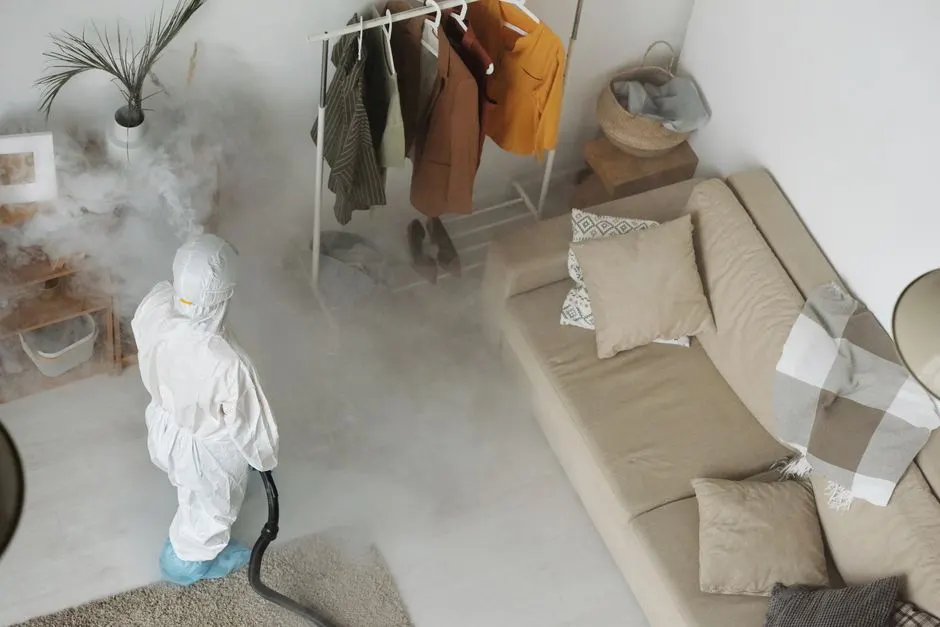






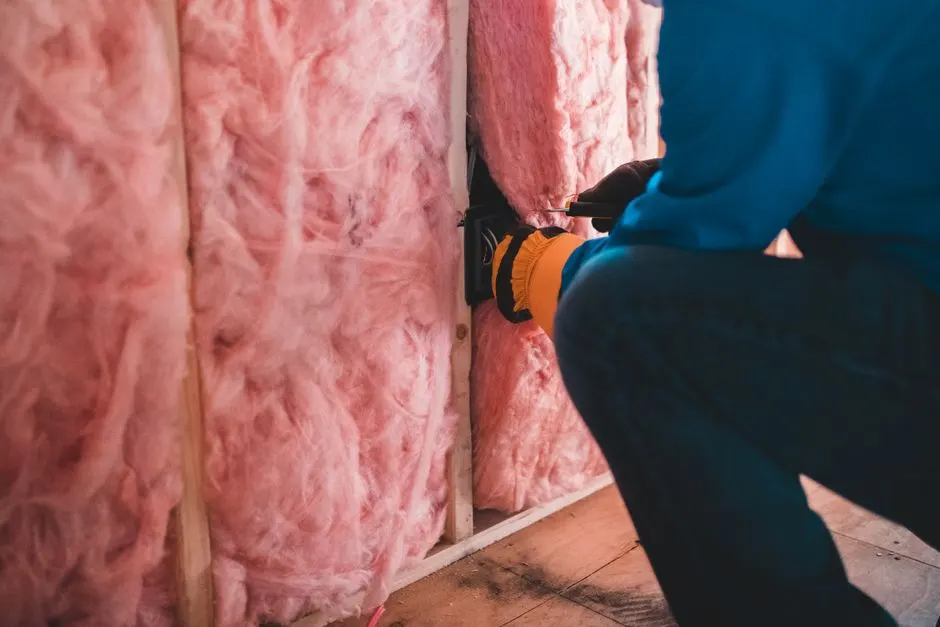





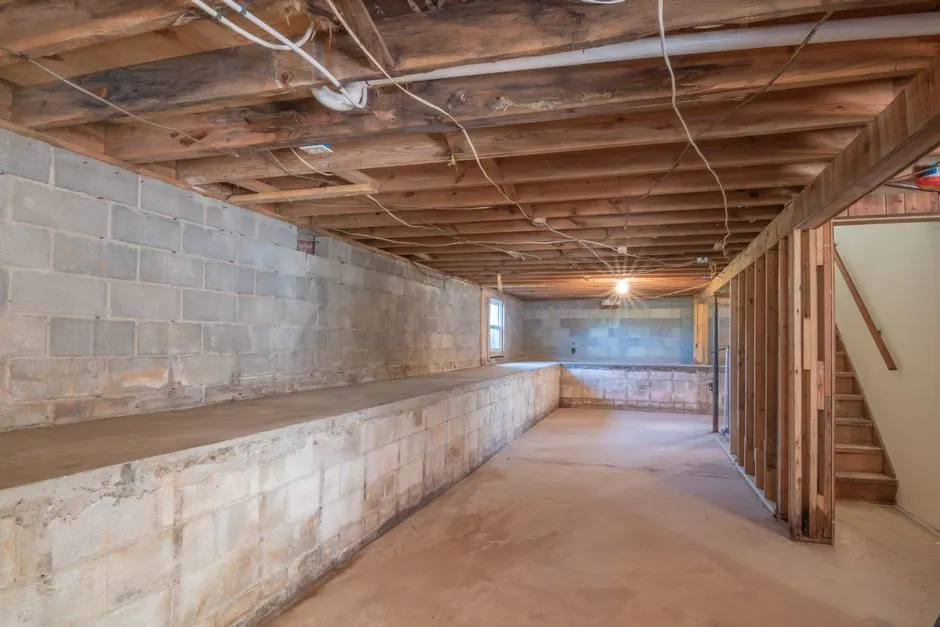
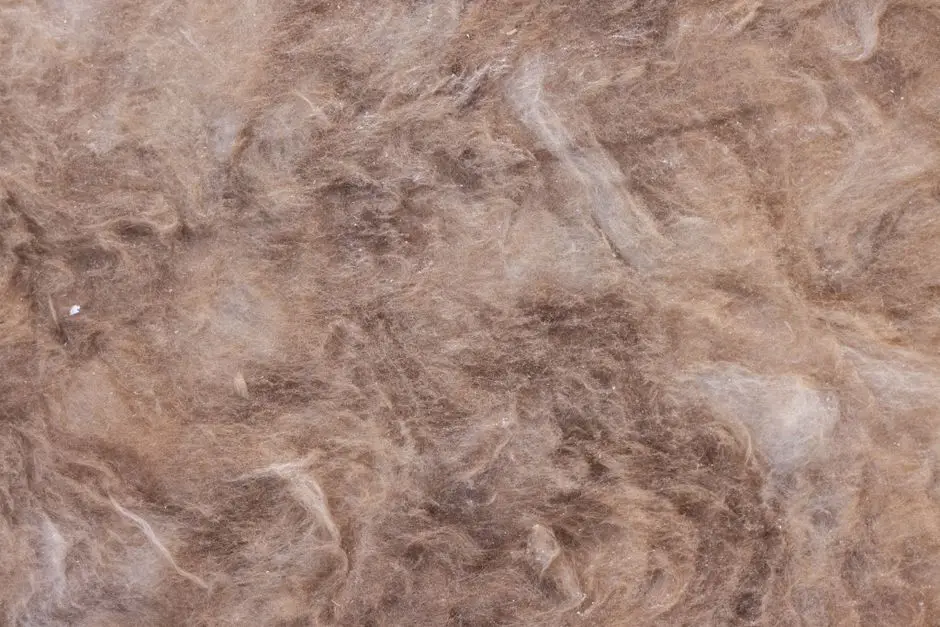


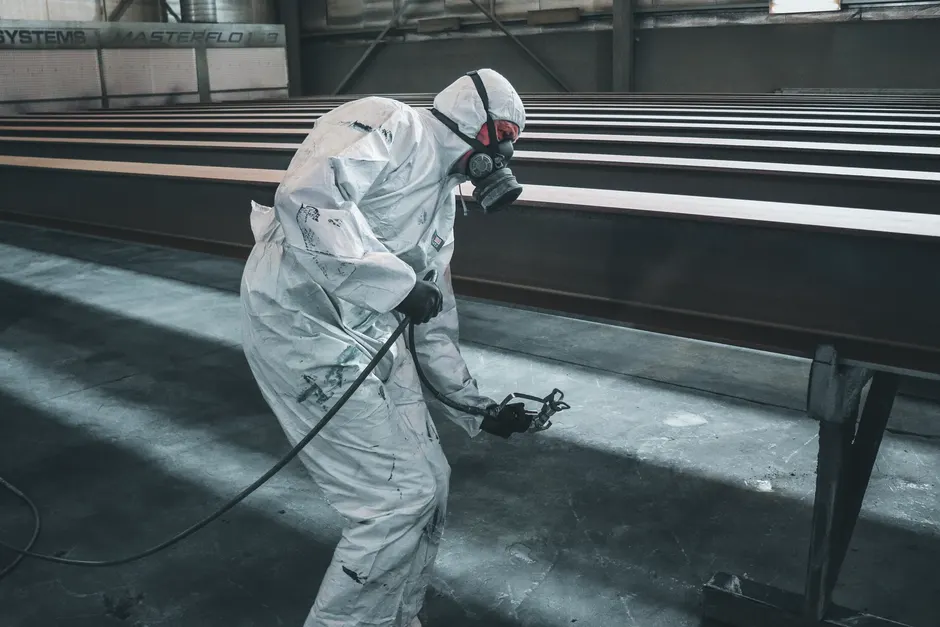
Rush Green has a specific set of conditions that make spray foam problems more likely than in some other areas. The housing stock is mostly post-war, the lofts are shallow, and the coastal climate keeps humidity levels high. Combined with the insulation grant schemes of the 2010s, that has left a lot of homes with foam that is now causing problems.
The post-war lofts in Rush Green were designed to ventilate through gaps at the eaves. When foam is sprayed across the roof deck, it seals those gaps and traps moist air inside. The moisture condenses on the cold felt and drips onto the timbers.
Lenders treat spray foam as a risk because it can hide structural problems and trap moisture. On Rush Green family homes, a surveyor's report flagging foam is often enough to stop a mortgage offer in its tracks.
Foam that has been in place for a decade or more can hold moisture against the rafters. In Rush Green, where lofts are shallow and ventilation is already limited, the timber does not get a chance to dry out. Rot sets in from the inside.
Injected polyurethane foam can bridge the cavity and create a path for moisture to travel from the outer wall to the inner leaf. On the older terraces around St Osyth Road, this shows up as damp patches on internal walls.
Most Rush Green homeowners do not realise they have a problem until a surveyor or lender flags it. These are the signs we see most often, and if any of them sound familiar, it is worth getting the loft checked before it affects a sale or causes structural damage.
Damp patches on internal walls
Damp patches on the inside of an external wall often point to cavity wall foam bridging the wall ties. Moisture travels across the foam and shows up as a cold, damp patch. Left alone, it can lead to plaster failure and timber rot in the floor structure.
Condensation dripping from the loft hatch
If you are seeing water droplets on the loft hatch or around the roof timbers, the foam has likely blocked the ventilation path. Warm moist air from the house rises into the loft, hits the cold roof felt, and condenses. That water then drips onto the timbers and insulation below.
Musty smell in the loft or upstairs rooms
A musty smell usually means trapped moisture and the early stages of mould or timber rot. In foam-filled lofts, the smell often comes from damp rafters that cannot dry out. The longer it is left, the more timber needs replacing.
Mortgage lender or surveyor has flagged spray foam
This is the most common trigger for a removal job in Rush Green. Lenders and surveyors working the CO15 3 and CO16 8 postcodes routinely refuse loans where spray foam is present, especially on pre-1980 properties. Removal and documentation are usually the only way to get the sale back on track.
Visible foam delamination or crumbling
If the foam is pulling away from the rafters or crumbling to the touch, it has failed. Failed foam no longer insulates properly and can trap moisture against the timber. A boroscope inspection will confirm whether the foam needs to come out entirely or just in sections.
Rush Green is a compact residential area, and we use the local landmarks to plan our routes and parking. Rush Green Recreation Ground is a useful reference point for the estate roads to the north, while Rush Green Primary School tells us to avoid certain streets during drop-off and pick-up. The Community Centre is a handy meeting point if we need to collect keys from a customer who is at work. Clacton Factory Shopping Village and Bocking's Elm Park help us orientate for the eastern and southern edges of our coverage area.
A useful orientation point for the residential streets on the northern side of Rush Green. We use it to plan parking when working on the surrounding estate roads, particularly where on-street parking is limited.
The school tells us which streets to avoid during drop-off and pick-up times. We schedule arrivals outside those windows so our vans do not add to the congestion on the surrounding roads.
A convenient meeting point for customers who cannot be at the property during the day. We sometimes collect keys here before starting work on nearby streets.
A recognisable reference point on the eastern side of the area. It helps us route to commercial units and the larger retail buildings we occasionally work on nearby.
ZIP coverage on request — call to confirm.
Rush Green's coastal climate means humidity stays high for most of the year, and that affects how and when we carry out spray foam removal. Autumn and winter are when most homeowners notice condensation problems, but the work can be done in any season with the right equipment.
Spring is a good time to book an assessment because the loft is warming up and any damp patches are easier to spot. Condensation from the winter often leaves visible staining on rafters, which helps us identify the extent of the problem.
Tip: Book your assessment in spring if you are planning to sell later in the year. Getting the foam out early means the documentation is ready when the surveyor arrives.
Summer is the easiest season to work in. Lofts are dry, timbers are at their lowest moisture readings, and the longer days mean we can schedule larger jobs without worrying about light. It is also the best time to let a loft dry out after removal.
Tip: If your loft has been damp, summer is the time to get the foam out and let the timbers dry naturally before the autumn rains return.
As temperatures drop, condensation starts to form again in foam-filled lofts. This is when most Rush Green homeowners notice dripping from the loft hatch or a musty smell upstairs. Demand for assessments picks up sharply in October and November.
Tip: Do not wait until the drips start. Book an inspection in early autumn so any foam removal can be completed before the worst of the winter condensation.
Winter is peak season for emergency call-outs. Storm damage, water tracking through foam-filled lofts, and condensation problems all get worse in the cold. Our 24/7 line handles overnight calls across Rush Green during the winter months.
Tip: If you see water coming through the loft hatch or ceiling, call us straight away. Leaving it over winter can lead to ceiling damage and more extensive timber rot.
Rush Green sits within a compact service region, and we cover the surrounding towns and villages as part of the same schedule. If you are just outside the area, call us with your postcode and we will confirm coverage and response time.
(City)
About 10 minutes by road from Rush Green, and a common source of commercial and residential spray foam removal enquiries.
View Clacton Town Centre(City)
A short drive north of Rush Green, with similar post-war housing stock and the same loft insulation problems.
View Great Clacton(City)
Around 15 minutes east, with a mix of older properties and coastal exposure that accelerates condensation issues.
View Holland-on-Sea(City)
Close to Rush Green and often covered on the same run, particularly for cavity wall and loft foam removal.
View Jaywick(City)
A nearby village with older housing stock, where cavity wall spray foam removal is a regular request.
View St Osyth(City)
A coastal area within easy reach, with properties that see higher moisture levels and more frequent foam failures.
View Point ClearReal answers from our team for the questions we hear most often before a job starts.
If your lender has flagged spray foam, or you have noticed damp patches or condensation in the loft, call us on 03335672543. We cover every Rush Green street, provide fixed pricing after a free assessment, and supply the documentation surveyors in the CO15 and CO16 postcodes ask for. Same-day and 24/7 emergency cover available.
Call us on 0333 567 2543 between 08:00 and 18:00, Monday to Friday, and you will speak to someone who has actually been up a Clacton loft this month. Out of hours, leave a message and we will call you back first thing. For surveys, quotes and documentation requests, email [email protected] and we will reply the same working day.
Phone
03335672543Address
72-78 Rosemary Rd, Clacton on Sea CO15 1TZ, UK, Clacton on Sea, Essex
Hours
Mon–Fri: 7AM – 7PM
Sat: 8AM – 4PM
Sun: Emergency Only
24/7 Emergency Available