St James Church
A central reference point in Little Clacton Village. If you are nearby, we can usually find your property quickly, and it helps us plan access on the surrounding narrow lanes.

Spray foam removal in Little Clacton is a specialist job, and it is one we have built our diary around since 2022. Little Clacton is a rural village of period cottages and 1970s to 1990s semis, and a large share of those homes had spray foam pushed into lofts and cavities during the insulation grant years. Now the surveys are coming back with problems. We work across Little Clacton Village, The Street, Holland Road, Frinton Road and Plough Corner, pulling out open cell spray foam, closed cell spray foam and injected cavity wall insulation that has trapped moisture against timber. Our technicians use a boroscope inspection camera and moisture meter first, so you know exactly what is wet before we cut anything. Then we extract, treat and document. If you have been searching for spray foam removal near Little Clacton, or you need the best spray foam removal Little Clacton can offer for a lender report, we are on the phone seven days a week.
Demand in Little Clacton runs in two waves: homeowners who have just had a mortgage survey flag foam, and homeowners who can already see damp in the loft. Both need the same thing, a clean extraction and a paper trail. If you have been typing spray foam removal in Little Clacton near me into your phone, this is the list of what we actually turn up and do in the village, from a single loft to a full cavity wall strip-out.

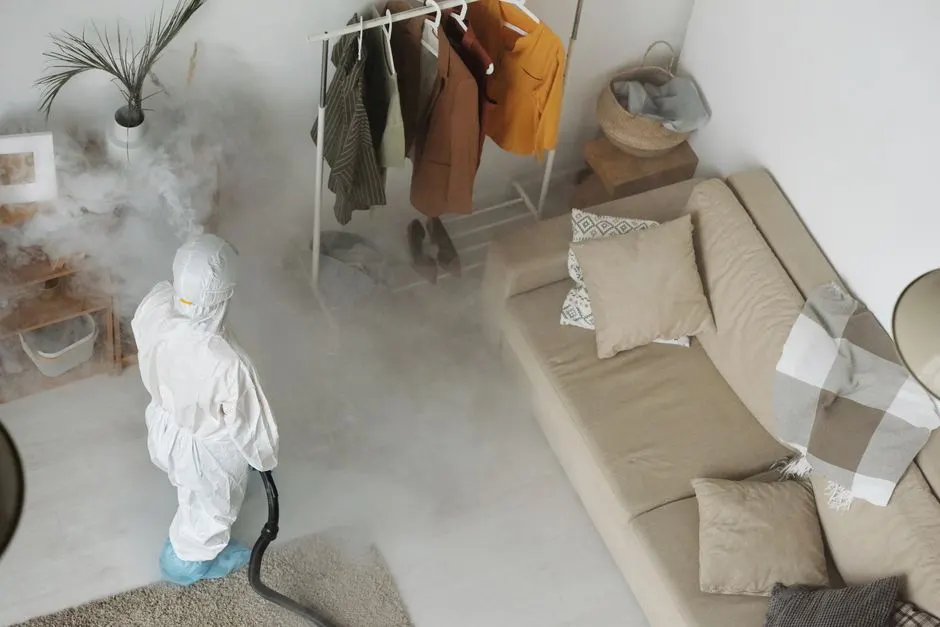






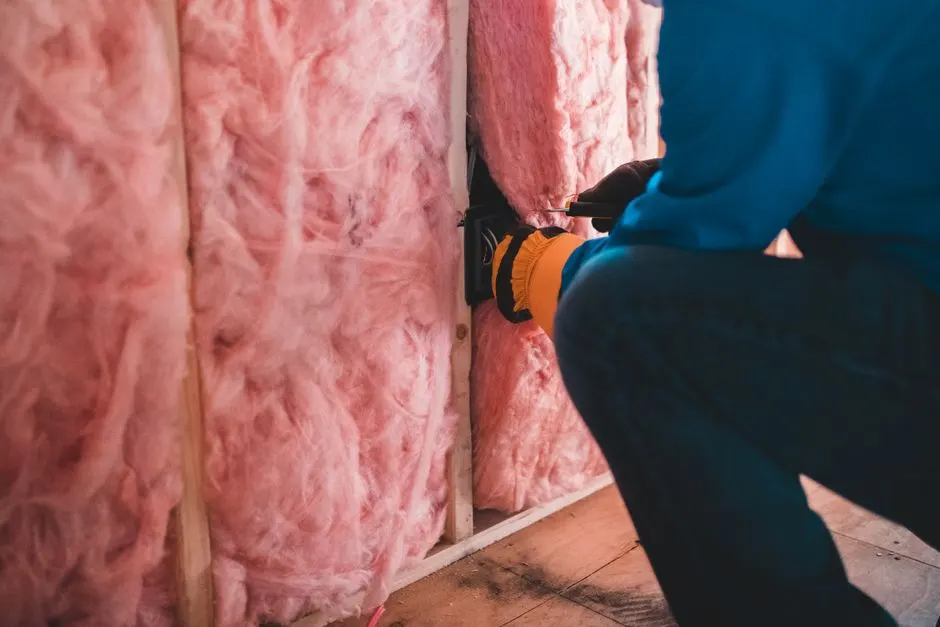





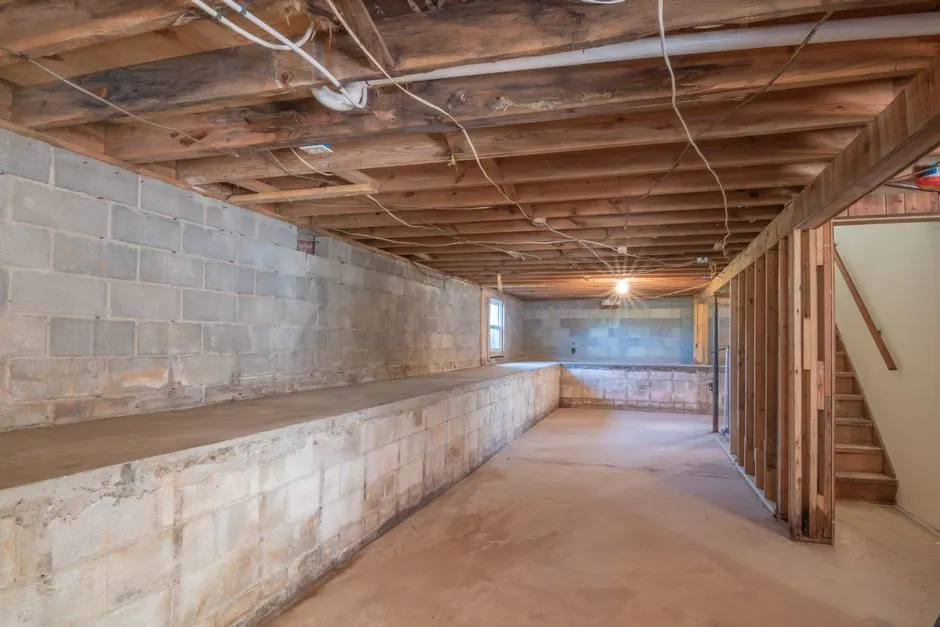



Little Clacton has a particular mix of housing and weather that makes foam problems show up in predictable ways. Rural damp, older brickwork, and a wave of grant-era insulation work in the 1980s and 1990s all play a part. Here is what we see most often, and how we deal with it.
Lenders and surveyors treat foam as a risk because it can conceal timber rot and block ventilation. Many Little Clacton homes had foam installed without a BBA certificate for that roof type, which makes the surveyor's report even harder to get past.
Foam traps moisture against timber and brick. In a village with heavy dew and driving rain, that moisture has nowhere to go. Over a few winters, rafters and wall plates start to rot and damp shows up inside the house.
Injected foam can cross the cavity and connect the inner and outer leaves of the wall. That creates a path for damp to travel straight into the house. It is common on the 1970s and 1980s semis around Holland Road.
Foam sealed between rafters stops air moving through the roof space. Warm, moist air from the house rises, hits a cold surface and condenses. Repeated wetting and drying weakens the timber and can damage the roof structure.
Foam does not always announce itself. Sometimes the first you hear of it is a surveyor's note. Other times you can see the damage with your own eyes. If you are looking for spray foam removal in Little Clacton near me, these are the triggers we hear most often from village homeowners.
A surveyor has flagged spray foam
This is the most common trigger. Lenders treat foam in lofts and cavities as a risk because it can hide rot and block ventilation. If your mortgage or a buyer's mortgage has been refused, the foam usually has to come out before anyone will lend on the property.
Damp patches on inner walls
Injected cavity foam can bridge the gap between the two leaves of the wall, letting damp travel across. You will see it as a patch on an inside wall, often low down or near a corner. It gets worse over winter and will not dry out while the foam is in place.
Condensation and damp in the loft
Foam sprayed tight against rafters stops the roof space breathing. Moisture builds up, you get condensation on cold surfaces, and over time the timber darkens and softens. A moisture meter reading above 20 percent on a rafter is a warning sign.
A musty smell upstairs
Trapped moisture and early timber rot give off a damp, musty smell. If a spare room or landing smells worse in the morning, the loft above it may be the source. It is worth a boroscope inspection before the rot spreads.
Visible dark staining on rafters
Dark streaks or black patches on roof timbers mean water has been sitting there. Foam often hides the worst of it, so what you can see is usually only part of the picture. The sooner it is removed and the timber treated, the less structural work is needed.
Little Clacton is a compact village, but the lanes can catch you out if you do not know them. We use the main landmarks as reference points when we book jobs and plan routes, and we know which streets have off-road parking and which do not. If you are giving us directions, mention the nearest landmark and we will find you.
A central reference point in Little Clacton Village. If you are nearby, we can usually find your property quickly, and it helps us plan access on the surrounding narrow lanes.
Useful for orienting jobs in the middle of the village. Several of the streets we work on sit within a short walk of the hall, which makes it a handy meeting point for surveys.
A clear marker on the south side of the village. Properties around the Playing Field tend to have larger gardens and easier van access, which speeds up loading and unloading.
A junction that helps us route between The Street and the roads heading out towards Clacton. Knowing the traffic flow here keeps our arrival windows realistic.
ZIP coverage on request — call to confirm.
Foam problems in Little Clacton follow the weather. Autumn and winter are when damp shows up, spring is when surveys get booked, and summer is the best time to get the work done before the wet returns. Here is how the year runs for us and what it means for you.
Spring is survey season. Buyers come back to the market, surveyors flag foam, and we get a rush of Little Clacton bookings. Lofts that have been damp all winter are at their wettest, so moisture readings are clear and the damage is easy to see.
Tip: Book your survey early in spring if you are selling. Getting the foam out before a buyer's surveyor visits saves weeks of back and forth.
Summer is the best time to have foam removed. Lofts are dry, timber dries out faster after treatment, and we can leave the space ventilated without worrying about rain getting in. It is also the quietest time for access, with no weather delays.
Tip: If you know the foam needs to come out, book it for summer. The loft will be dry and ready for re-insulation well before autumn.
Autumn brings the first cold snaps and heavy dew. Damp patches on inner walls get worse, condensation returns to lofts, and the musty smell upstairs comes back. This is when most homeowners first notice there is a problem.
Tip: If you see a damp patch appear in autumn, get it assessed before winter. Foam that is already trapping moisture will only get worse once the rain sets in.
Winter is the worst time for foam-related damp. Cold surfaces, warm moist air inside, and rain driving against the walls all push moisture into the structure. Timber rot accelerates, and emergency calls go up for water tracking through ceilings.
Tip: Keep loft ventilation clear and check for new damp patches after storms. If water is getting in, call us on the 24/7 line rather than waiting for spring.
Little Clacton sits in the middle of our patch. We cover the village and the surrounding Tendring towns and villages from the same base in Clacton on Sea, so if you are just outside Little Clacton, we can still get to you. Here is how the nearby areas fit into our service region.
(City)
About three miles east of Little Clacton and home to our base. Most of our kit and stock is stored here, so Little Clacton jobs are supplied from just down the road.
View Clacton Town Centre(City)
A short drive from Little Clacton and often booked alongside village jobs. Similar housing stock, similar foam problems, so we frequently pair the two areas in one day.
View Great Clacton(City)
Coastal and slightly further out, but still within our regular run. Homes here face more wind-driven rain, which makes foam-related damp worse, so demand is steady.
View Holland-on-Sea(City)
A few miles south of Little Clacton. Older, tightly built properties with limited loft access, so we plan extra time for extraction and loading.
View Jaywick(City)
West of Little Clacton along the B1027. Rural properties and converted outbuildings, many with foam in roof panels that has never been surveyed.
View St Osyth(City)
On the coast near St Osyth and part of the same coverage area. We treat it as a natural extension of the Little Clacton and St Osyth rounds.
View Point ClearReal answers from our team for the questions we hear most often before a job starts.
If a surveyor has flagged foam in your Little Clacton loft, or you can see damp tracking down a rafter, do not wait for it to get worse. We survey within 48 hours, quote a fixed price before we start, and leave you with a written report your lender can work from. Four years serving Essex, fully insured, and we work to PAS 2035. Call 0333 567 2543 or send us a message and we will get you booked in.
Call us on 0333 567 2543 between 08:00 and 18:00, Monday to Friday, and you will speak to someone who has actually been up a Clacton loft this month. Out of hours, leave a message and we will call you back first thing. For surveys, quotes and documentation requests, email [email protected] and we will reply the same working day.
Phone
03335672543Address
72-78 Rosemary Rd, Clacton on Sea CO15 1TZ, UK, Clacton on Sea, Essex
Hours
Mon–Fri: 7AM – 7PM
Sat: 8AM – 4PM
Sun: Emergency Only
24/7 Emergency Available