Homelands Park
A useful central marker for the estate. If you tell us you are near Homelands Park, we can place your street immediately and plan the best approach from Valley Road or Homelands Road.

Spray foam removal in Homelands is a specialist job, and it is the only thing we do. Since 2022 we have worked across the Homelands Estate, Homelands Road, Valley Road and the streets running down towards Frinton Road, pulling out open cell and closed cell spray foam that was pumped into lofts and cavities years ago. Most of the housing here went up between the 1960s and 1980s, and a lot of it was retro-fitted with polyurethane foam under the old insulation grant schemes. That foam looked like a bargain at the time. Now it traps moisture against rafters, bridges cavity walls and shows up on every RICS valuation survey. We are a local spray foam removal Essex firm, not a national franchise, so we know which streets have the worst condensation problems and which lofts need a boroscope inspection camera before we quote. Our technicians arrive with a dry ice blasting machine, industrial vacuum extractor and air scrubber as standard, and we work to PAS 2035 principles so the job stands up to lender scrutiny.
If you have been searching for spray foam removal in Homelands near me and want a firm that actually turns up, this is the list we run across the Homelands Estate and the surrounding streets. Most calls are loft or cavity jobs on 1960s to 1980s homes, but we handle commercial units, warehouses and roof-level foam too. Every job starts with an insulation assessment and a fixed price.

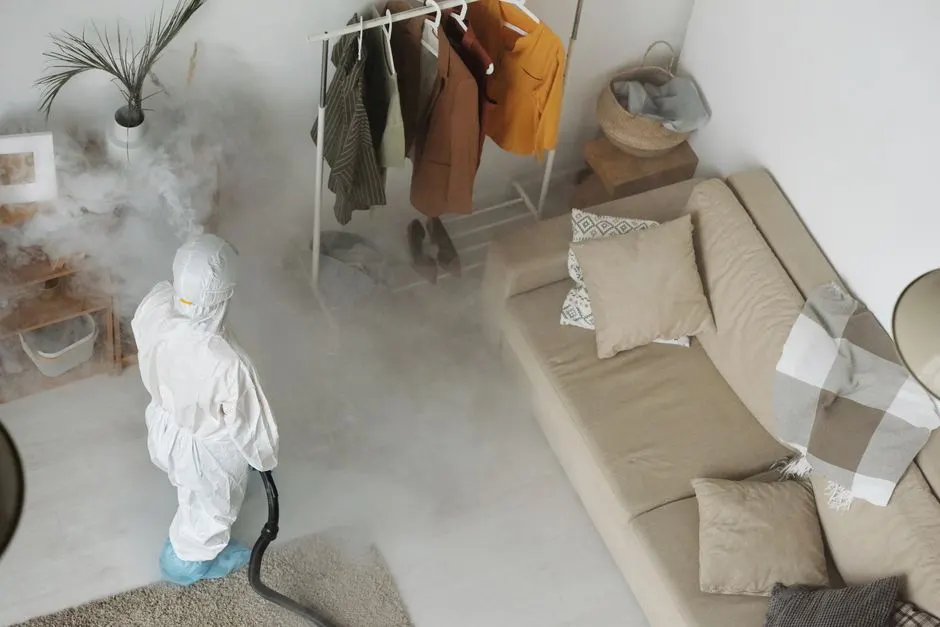






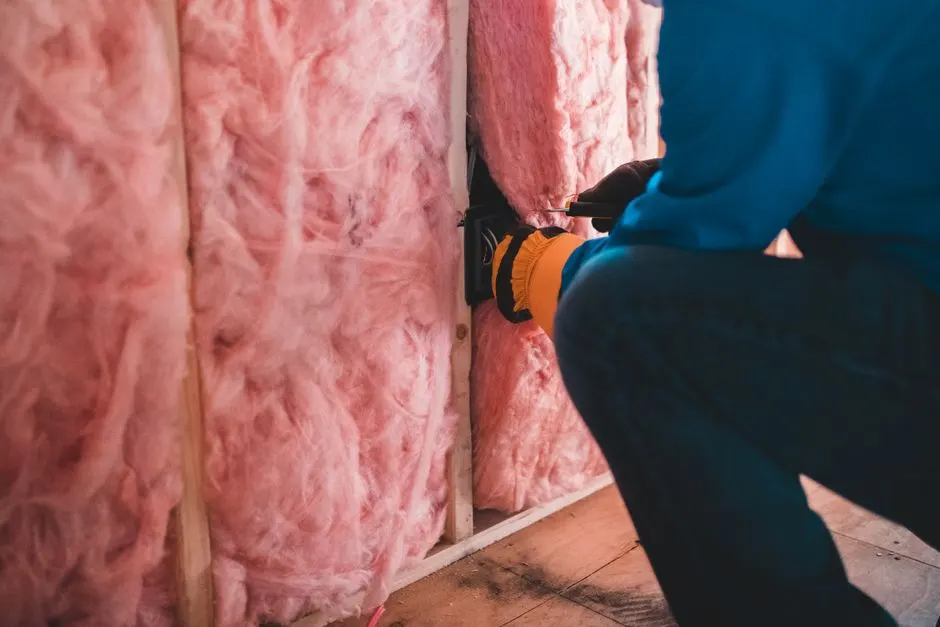






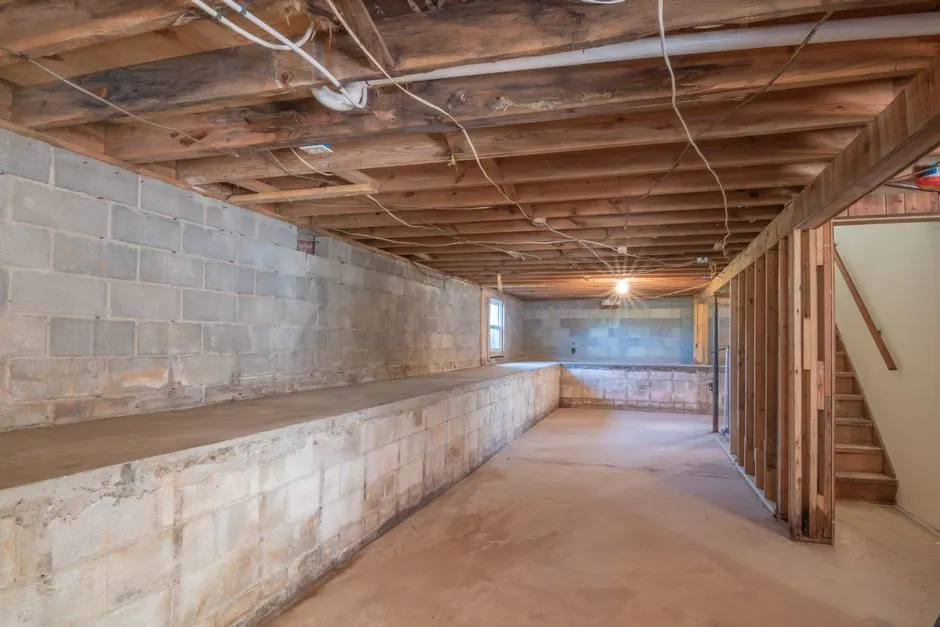




Homelands has a particular set of conditions that make spray foam a bigger problem than it might be elsewhere. The housing stock is mostly 1960s to 1980s, the roof spaces are shallow, and the Essex climate swings between damp winters and warm, humid summers. That combination traps moisture in foam and drives the problems we see most often. Here is what we deal with, and how we handle it.
Foam sprayed directly onto the roof underside blocks the ventilation path that older Homelands roofs rely on. Warm moist air from the house rises, hits the cold foam, condenses and soaks into the rafters. Shallow roof voids make it worse because there is less air movement.
Most major lenders treat spray foam as a defect unless it can be shown the timbers are sound and the roof space is properly ventilated. In Homelands, where a lot of foam went in under grant schemes, this catches out buyers and sellers alike during valuation.
Once foam holds water against a rafter, the timber stays wet for months at a time. Rot sets in from the outside and spreads along the grain. On older Homelands roofs the rafters are thinner than modern equivalents, so they lose strength faster.
Foam injected into a cavity can bridge the gap between the outer and inner leaf, giving moisture a path straight through the wall. On Homelands homes with older brickwork, this shows up as damp patches near the floor inside and crumbling mortar outside.
Spray foam does not always announce itself. Sometimes it is a surveyor's note, sometimes a damp patch on a bedroom ceiling, and sometimes a smell in the loft you cannot place. If you have been putting off a loft spray foam removal in Homelands because you are not sure whether it is really a problem, these are the signs that mean it is time to get someone to look.
Mortgage valuation flags spray foam
This is the most urgent sign. Lenders treat spray foam as a risk because it can trap moisture and hide structural problems. Once it is on a valuation, the sale usually stalls until removal is documented, so book a survey immediately rather than waiting for the buyer to pull out.
Damp patches on loft or bedroom ceilings
Foam bonded to the roof underside stops the roof breathing, so condensation forms and soaks into timber and plasterboard. A brown patch on an upstairs ceiling often means the problem has been building for a year or more and timber rot may already be present.
Condensation in the loft after cold spells
If you see water droplets on the underside of the roof felt or on the foam itself in winter, the roof space is not ventilating. Left alone, this leads to mould on stored items, rotting rafters and eventually a failed building survey.
Foam feels soft, crumbly or damp
Open cell foam that has absorbed moisture goes soft and breaks down. If it crumbles when you press it, or feels cold and damp to touch, it is no longer doing its job and is actively holding water against the timbers.
Surveyor has asked for a specialist report
When a surveyor cannot confirm the condition of the timbers because foam is in the way, they ask for a specialist report. We provide that report as part of the removal, with moisture readings and photographs of the exposed structure.
Homelands is compact, but the street layout can catch out a driver who does not know it. We use Homelands Park as our main orientation point, with Valley Road Playing Field and the Burrsville Medical Centre end of the estate as the two other markers we navigate by. If you are giving directions, tell us the nearest landmark rather than the postcode alone and we will find you faster. Most jobs are within a five to ten minute drive of each other, which is why we can often fit a survey in at short notice.
A useful central marker for the estate. If you tell us you are near Homelands Park, we can place your street immediately and plan the best approach from Valley Road or Homelands Road.
Sits at the Valley Road end of the neighbourhood and helps us separate the larger family homes on that side from the denser estate streets. Good reference point for parking and access.
A recognisable anchor on the Burrsville side of Homelands. Useful when a customer is new to the area and cannot remember the street name, as it puts us within a few minutes of most addresses.
A well-known Clacton landmark close to the Homelands area. We use it as a route marker when coming in from the town side, particularly for early morning jobs before the traffic builds.
ZIP coverage on request — call to confirm.
Spray foam problems in Homelands follow the weather. Autumn and winter are when damp patches appear and condensation in loft becomes obvious, while spring and summer are when surveys and mortgage-driven removals peak. Understanding the seasonal pattern helps you plan the work at the right time, and it helps us schedule around the busiest weeks.
Spring is survey season in Homelands. Buyers are completing on homes they viewed in winter, and valuations are flagging spray foam that was not obvious during viewings. Damp patches from the winter often dry out and become harder to spot, so this is a good time to get an assessment done while the evidence is still visible.
Tip: Book your insulation assessment before the weather warms up fully. If you are selling, get the survey done early so any removal work can be scheduled before your buyer's lender sets a deadline.
Warm, humid summer days are the best window for removal work. Lofts are dry, access is easier and there is less risk of rain blowing into an open roof space. It is also our busiest period for closed cell spray foam removal because the foam is at its most brittle and comes away more cleanly.
Tip: If you have been putting off loft spray foam removal in Homelands, summer is the time to do it. Book early, as July and August slots fill quickly with pre-autumn completions.
As temperatures drop, condensation starts forming on any foam still in the roof space. This is when homeowners in Homelands first notice damp patches on ceilings or a musty smell in the loft. Demand for emergency removal rises sharply from October onwards.
Tip: Get the loft checked before the first cold snap. If you see any sign of condensation, book a survey straight away rather than waiting for it to soak into the timbers over winter.
Winter is when trapped moisture does the most damage. Cold roof surfaces and warm internal air create constant condensation, and any foam holding water against a rafter will cause rot to accelerate. This is also when mortgage deadlines are tightest, as buyers push to complete before the end of the tax year.
Tip: If your sale is at risk, call our 24/7 line. We can often survey within a day and schedule removal around a lender's deadline, even in the middle of winter.
Homelands sits inside a tight cluster of Tendring District towns and villages, and we cover them all from the same base. If you are just outside Homelands, the chances are we already work on your street or one very like it. These are the neighbouring areas we cover most often.
(City)
About ten minutes from Homelands. Many customers here find us after a Homelands job and book us for town centre flats and terraces.
View Clacton Town Centre(City)
Directly adjacent to Homelands and shares the same 1960s to 1980s housing stock. We often run two jobs in a day across both areas.
View Great Clacton(City)
A short drive east along the coast. Similar bungalow and chalet stock, with roof-level foam a common problem.
View Holland-on-Sea(City)
A few miles south west. Older, non-standard construction means we survey carefully before quoting any removal work.
View Jaywick(City)
A village run out towards the coast. Mostly larger detached homes where loft and roof foam removal is the usual request.
View St Osyth(City)
Coastal properties to the south. Salt air and older roofs make moisture checks especially important before we close up a job.
View Point ClearReal answers from our team for the questions we hear most often before a job starts.
If your lender has flagged spray foam, or you have spotted damp in the loft, do not wait for it to get worse. We survey Homelands properties free of charge, quote a fixed price on the spot, and can often start work within days. Call us on 0333 567 2543 or send a message and we will get straight back to you. Four years working Essex homes, 24/7 emergency cover, and a job finished to a standard your surveyor will accept.
Call us on 0333 567 2543 between 08:00 and 18:00, Monday to Friday, and you will speak to someone who has actually been up a Clacton loft this month. Out of hours, leave a message and we will call you back first thing. For surveys, quotes and documentation requests, email [email protected] and we will reply the same working day.
Phone
03335672543Address
72-78 Rosemary Rd, Clacton on Sea CO15 1TZ, UK, Clacton on Sea, Essex
Hours
Mon–Fri: 7AM – 7PM
Sat: 8AM – 4PM
Sun: Emergency Only
24/7 Emergency Available