Clacton Pier
Clacton Pier is the central reference point for the seafront. We use it to orient ourselves when heading to jobs on Marine Parade East or Pier Avenue, and it marks the busiest section for parking and access.

Spray foam removal in Clacton-on-Sea Seafront is a specialist job because the seafront is a different beast to inland Essex. We have worked these streets since 2022, and the pattern is always the same: foam sprayed into a loft or cavity a decade ago, now trapping damp against Victorian and Edwardian timbers that were never meant to be sealed. Our team covers Marine Parade East, Marine Parade West, Pier Avenue, Kings Parade and Holland Road, plus the flats and conversions stacked behind them. Clacton-on-Sea Seafront spray foam removal means cutting out open cell and closed cell foam without wrecking rafters, then checking moisture levels with a meter before we leave. We use dry ice blasting machines, reciprocating saws and industrial vacuum extractors to keep dust out of your living space. Whether it is a mortgage lender spray foam removal job or a straightforward loft spray foam removal in Clacton-on-Sea Seafront, we quote upfront and clear the site the same day.
Every job we run in Clacton-on-Sea Seafront starts with an assessment, not a sales pitch. If you have been searching for spray foam removal in Clacton-on-Sea Seafront near me, you are probably dealing with a surveyor's report, a cold loft, or a lender holding up your sale. We handle all of it, from single lofts on Pier Avenue to warehouse units off Valley Road.

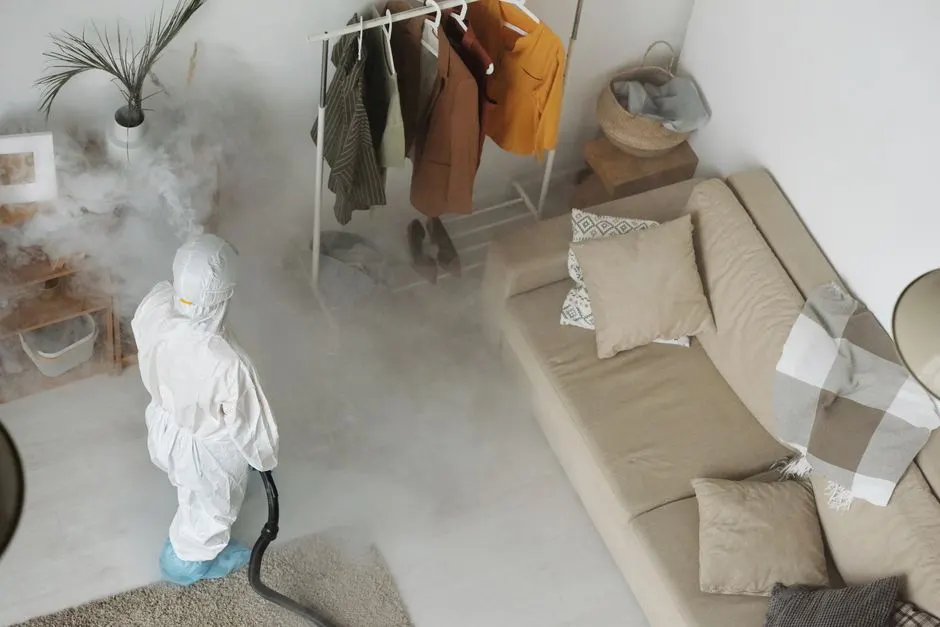






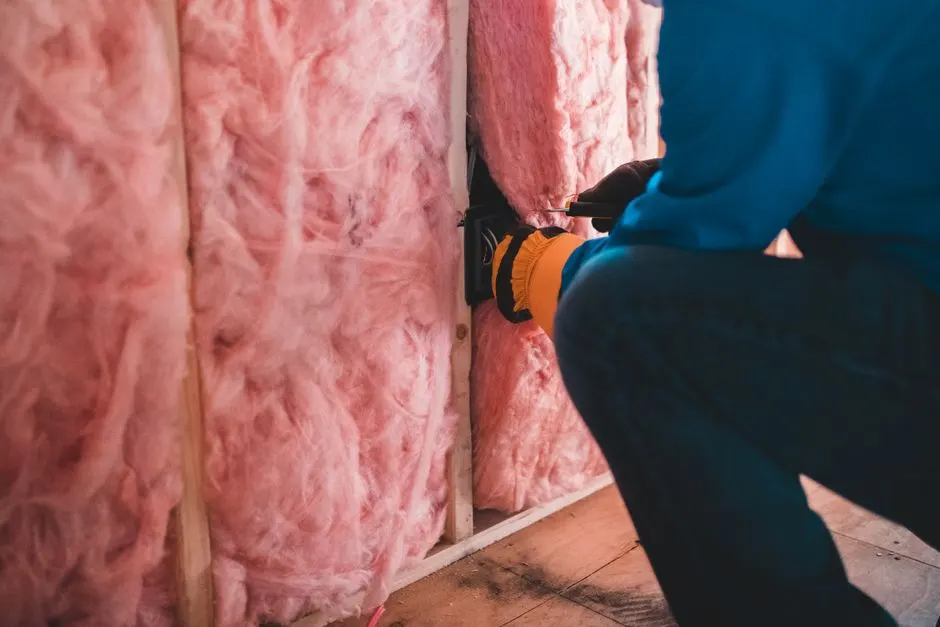






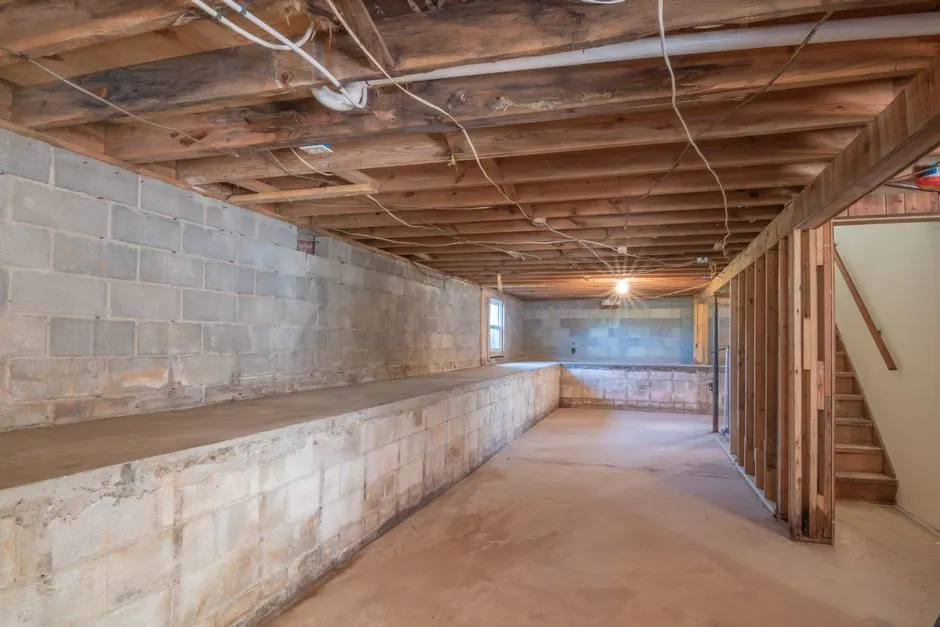




Clacton-on-Sea Seafront has a specific set of conditions that make spray foam problems worse than inland. Salt air, Victorian and Edwardian building stock, and a high proportion of flats and conversions all play a part. These are the four problems we see most often.
Foam seals the loft, stopping natural ventilation. On the seafront, wind-driven rain and salt air add moisture that has nowhere to escape. It condenses on rafters and soaks into timber, causing rot over time.
Lenders and surveyors treat spray foam as a risk because it can hide structural problems and trap moisture. Many will not lend on a property with foam in the roof or cavity until it is removed and verified.
Foam injected into a cavity can bridge the gap between the outer and inner walls. Instead of insulating, it creates a path for damp to cross. The 1930s and post-war terraces behind the seafront are the worst affected.
Closed cell foam bonds hard to rafters and hides what is happening underneath. By the time damp or rot shows on the surface, the timber may already be weakened. Seafront properties see this more because of the constant moisture load.
If you are searching for spray foam removal in Clacton-on-Sea Seafront near me, you have probably already spotted one of these signs. Seafront properties show foam problems faster than inland homes because of the salt air and wind-driven rain. Here is what to look for.
Musty smell in the loft or upstairs rooms
A musty smell usually means trapped moisture. Foam stops the loft breathing, and in a seafront property that moisture has nowhere to go. It soaks into timber and insulation instead. If you notice it, get an assessment before the rot spreads.
Condensation on roof timbers or sarking
Beads of water on the underside of roof timbers mean the loft is not ventilating. Spray foam is often the cause because it seals the roof space. Left alone, this leads to timber rot from trapped moisture and expensive repairs.
Surveyor or lender flags spray foam
If a surveyor has mentioned spray foam, or your lender has put a hold on the mortgage, you need removal and documentation. Most lenders want the foam gone and the timber verified before they will proceed. We provide both.
Cold patches on internal walls
Cold patches often point to cavity wall bridging, where foam has created a path for damp to cross the cavity. It is common in the older terraces behind the seafront. The fix is removal and cavity clearance, not more insulation.
Visible damp or staining around rafters
Dark staining or damp patches on rafters mean moisture has been sitting there for a while. Foam hides the early stages, so by the time you see it, the timber may already be affected. Get it checked with a moisture meter.
Clacton-on-Sea Seafront is easy to navigate once you know it. We use Clacton Pier as our main reference point, then work outward along Marine Parade in both directions. Marine Parade Gardens and the Pavilion are useful markers for the central stretch, and the Lifeboat Station helps us locate the eastern end. Most of our seafront jobs are within a five-minute drive of the pier, which keeps travel time down and lets us fit more into a day.
Clacton Pier is the central reference point for the seafront. We use it to orient ourselves when heading to jobs on Marine Parade East or Pier Avenue, and it marks the busiest section for parking and access.
Clacton Beach runs the length of the seafront and helps us identify which stretch of Marine Parade a property sits on. Properties directly facing the beach tend to have the highest salt exposure, which affects how we plan roof work.
The Pavilion sits on the seafront near the town centre end. It is a useful marker for jobs on the western side of Marine Parade and for locating the streets that run inland toward the town centre.
Marine Parade Gardens break up the seafront between the pier and the western end. We use them to pinpoint addresses on Marine Parade West and the surrounding residential streets.
ZIP coverage on request — call to confirm.
Clacton-on-Sea Seafront has a coastal climate: mild winters, warm summers and plenty of wind-driven rain. That shapes when foam problems show up and when it is best to deal with them. Here is what to expect through the year.
Spring is when damp problems become obvious. As the weather warms, moisture that has been sitting in the loft all winter starts to show as musty smells and staining. It is also the start of the survey season, so lenders and buyers are active.
Tip: Book an assessment in early spring if you noticed damp over winter. Getting the foam out before summer means the loft can dry properly.
Summer is our busiest time for removals. Warm, dry conditions make the work easier and the loft dries out faster after the foam is gone. It is also peak visitor season on the seafront, so parking and access need planning.
Tip: If you can be flexible on timing, book for early morning or late afternoon to avoid the seafront crowds. The work itself is quicker in dry weather.
Autumn brings wind-driven rain and the first cold snaps. Properties with foam in the roof start to feel colder, and condensation returns. This is when many homeowners first notice there is a problem.
Tip: Get the foam removed before winter sets in. Once the wet weather arrives, the loft will not dry out as easily and any timber issues get worse.
Winter is the hardest season for foam-affected properties. Condensation in loft spaces peaks, and any trapped moisture freezes and thaws, which speeds up timber damage. Emergency calls go up, especially where a survey is due.
Tip: If your mortgage or sale depends on removal, do not wait for spring. We work through winter and can usually get to seafront properties within a week.
Clacton-on-Sea Seafront is our home patch, but we cover the surrounding Tendring district as part of the same service. If you are just outside the seafront, we can usually still get to you the same week. Here are the nearby areas we work in most often.
(City)
A five-minute drive from the seafront. Many of our customers here are landlords with upper-floor flats that have foam in the roof space.
View Clacton Town Centre(City)
Just inland from the seafront, around ten minutes away. Mostly residential, with a steady flow of loft foam removal jobs on older housing.
View Great Clacton(City)
A short drive west along the coast. Similar seafront exposure to Clacton, so we see the same salt air and cavity wall foam problems.
View Holland-on-Sea(City)
About fifteen minutes west of the seafront. Older properties and exposed coastal conditions mean foam removal is a common request here.
View Jaywick(City)
Roughly twenty minutes from Clacton-on-Sea Seafront. We cover the village and surrounding properties, mostly lofts and cavity wall foam.
View St Osyth(City)
Around twenty-five minutes down the coast. Coastal exposure is similar to Clacton, and we handle both residential and small commercial removals here.
View Point ClearReal answers from our team for the questions we hear most often before a job starts.
If your surveyor has flagged foam, or your loft is damp and you are not sure why, call us on 0333 567 2543. We cover the whole seafront, from Marine Parade East to Holland Road, and we quote upfront before we start. Same day spray foam removal is available for urgent jobs, and our 24/7 line covers the surrounding Essex coast. One call and we will tell you exactly what needs doing.
Call us on 0333 567 2543 between 08:00 and 18:00, Monday to Friday, and you will speak to someone who has actually been up a Clacton loft this month. Out of hours, leave a message and we will call you back first thing. For surveys, quotes and documentation requests, email [email protected] and we will reply the same working day.
Phone
03335672543Address
72-78 Rosemary Rd, Clacton on Sea CO15 1TZ, UK, Clacton on Sea, Essex
Hours
Mon–Fri: 7AM – 7PM
Sat: 8AM – 4PM
Sun: Emergency Only
24/7 Emergency Available